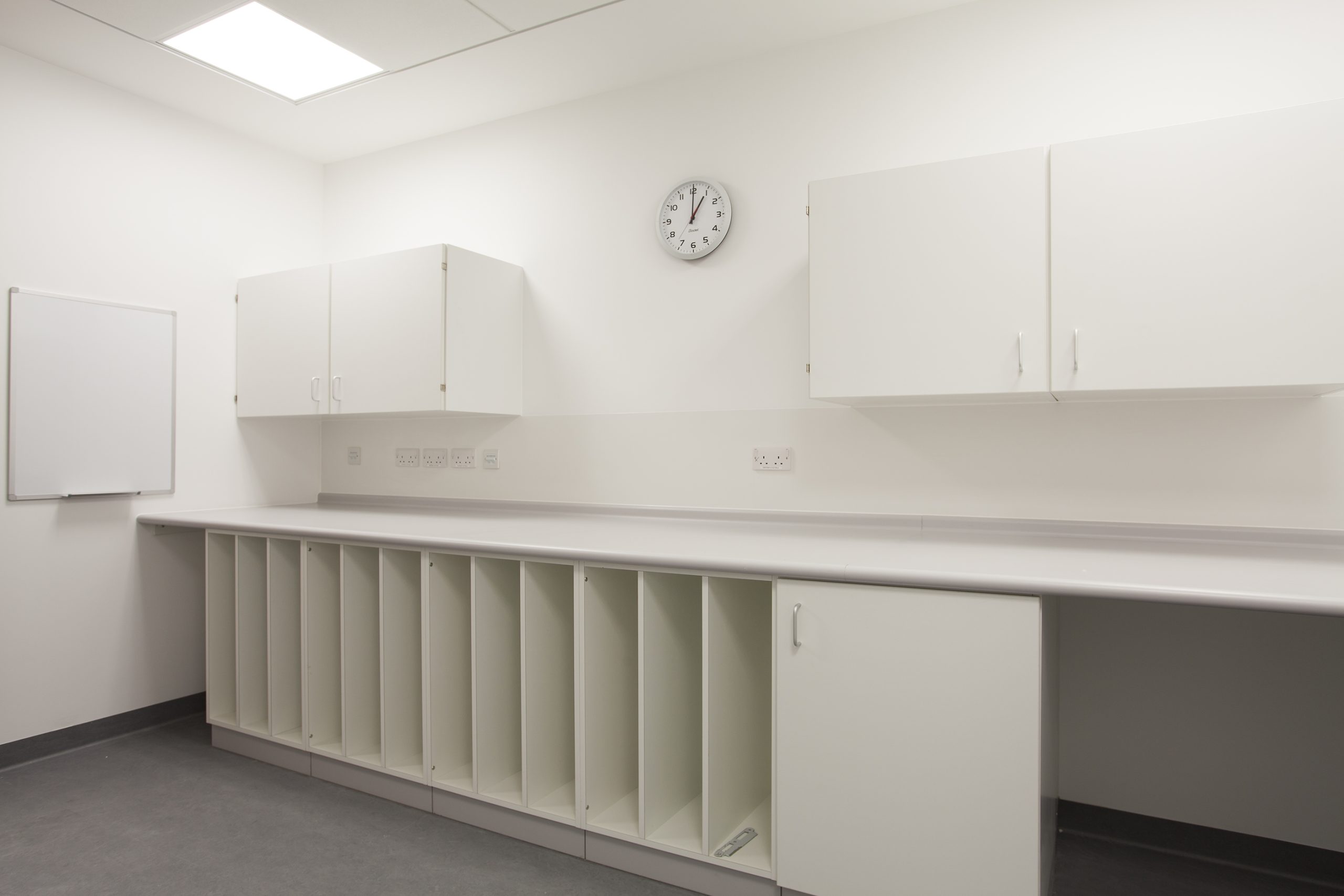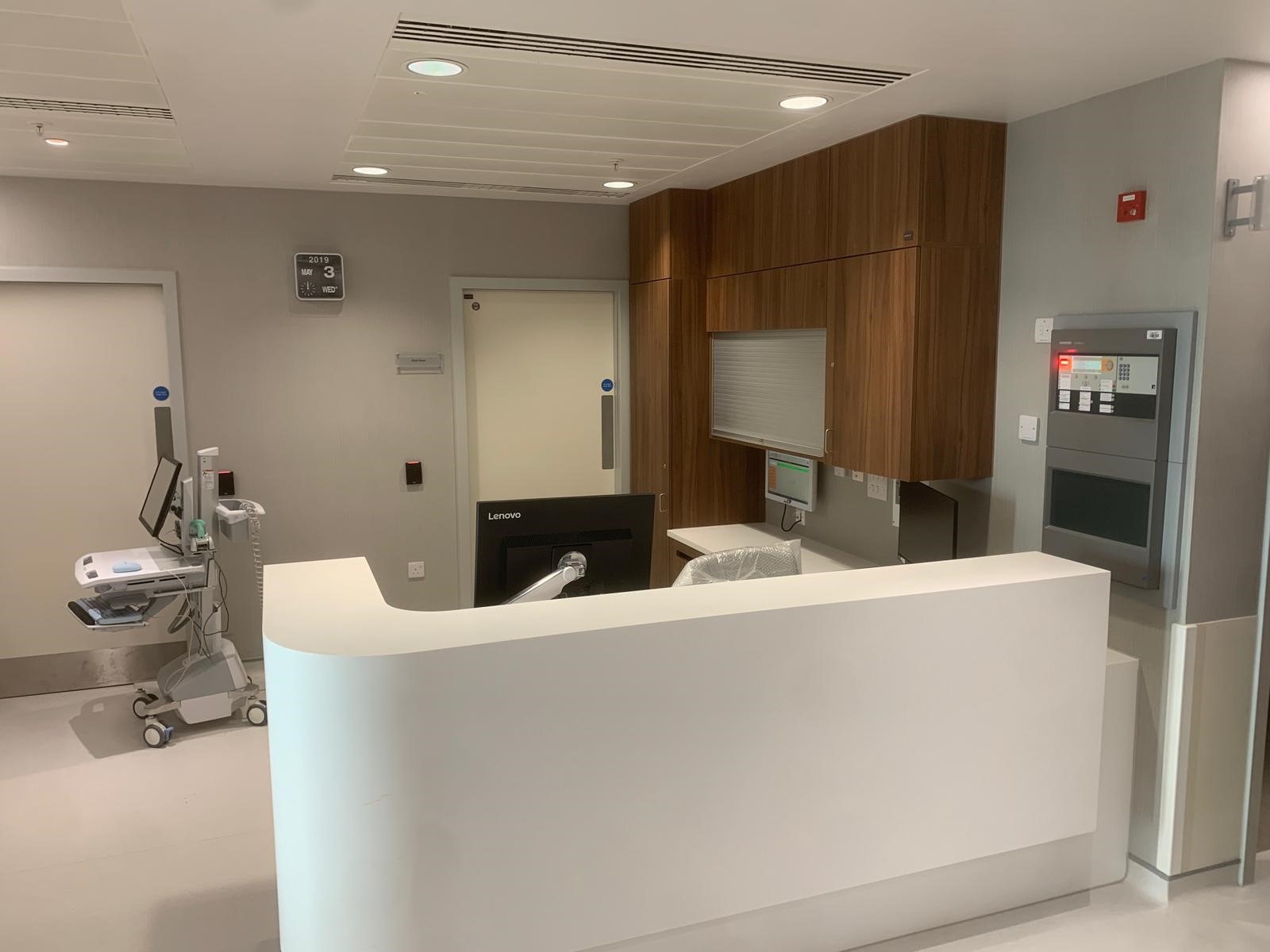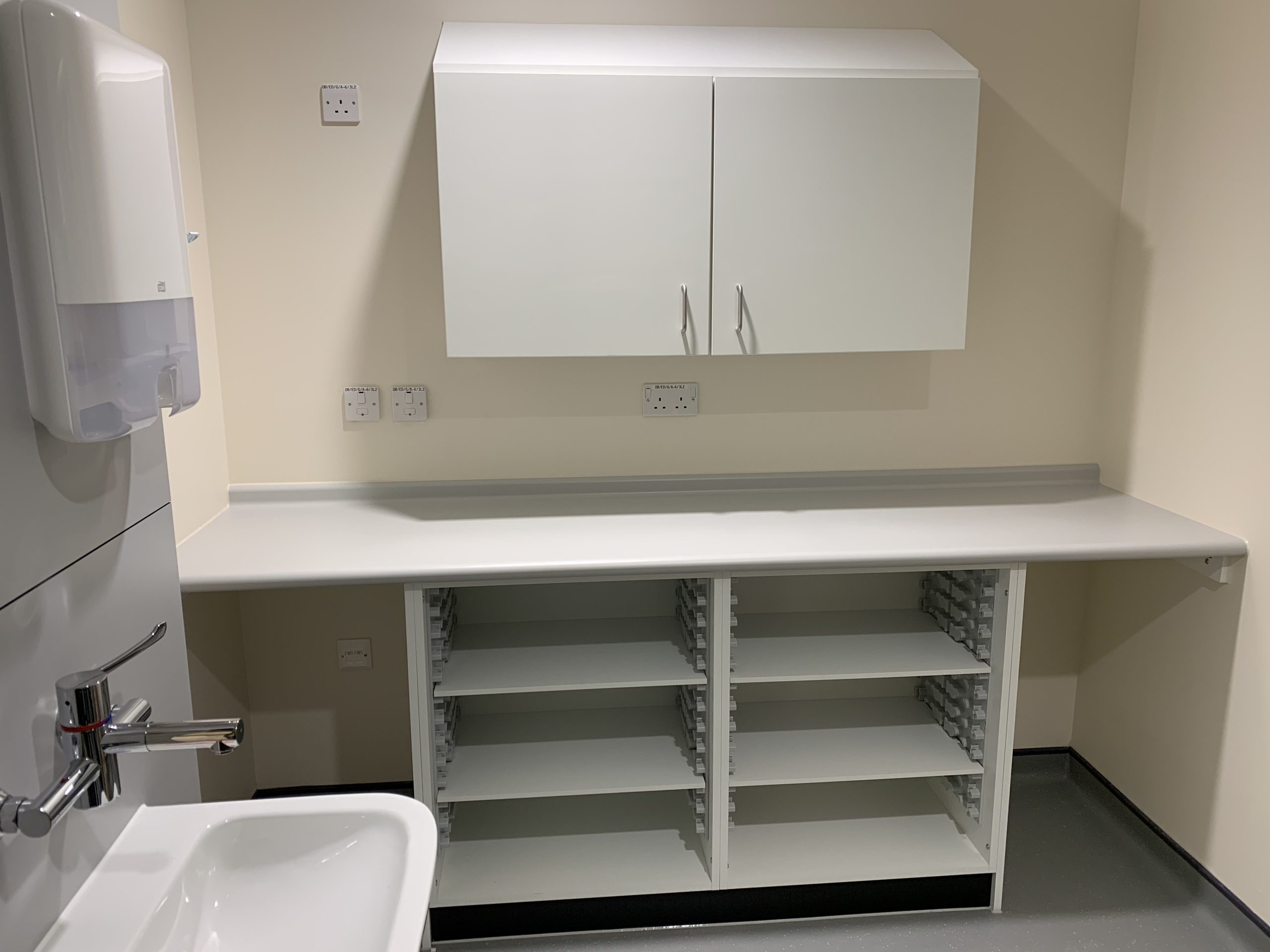
Most hospital environments are designed, reviewed and photographed during the day, when departments are fully staffed, natural light floods through windows, support services are readily available and visitors are moving throughout the building. It is an environment that reflects how hospitals are intended to operate, but healthcare never stops. It therefore raises an interesting question - if hospitals operate around the clock, why do we often design their environments around daytime conditions, writes Katie Thompson, business development manager at David Bailey Furniture Systems?
Is healthcare design doing enough to protect frontline NHS staff?
Every day, millions of patients pass through NHS hospitals expecting to receive care in environments that are safe, welcoming and professional. Yet for the people delivering that care, the experience can be very different. According to the latest 2026 NHS Staff Survey, almost one in seven NHS staff (14.47%) reported being physically assaulted by a patient or member of the public during the past year – the highest figure recorded for three years. Even more alarming, almost one in three ambulance staff (31%) reported experiencing unwanted sexual behaviour, while 9.26% of NHS employees said they had experienced discrimination from patients or the public – the highest level ever recorded, writes Katie Thompson, business development manager at David Bailey Furniture Systems.
These figures should concern everyone involved in healthcare, not simply because of what they say about society, but because they force us to ask an important question. If violence and abuse are becoming an accepted part of working life for frontline healthcare professionals, are we doing enough to design environments that actively protect them?
When people think about healthcare design, they often focus on clinical performance, infection prevention, patient comfort or aesthetics. All of these are important. Increasingly, however, hospitals are recognising that the built environment also plays a significant role in staff safety.
The layout of a reception desk, the height of a counter, the position of a nurses’ station or the inclusion of protective screens may appear to be relatively minor design decisions. In reality, they can significantly influence how staff interact with patients, how easily situations can be managed and how protected employees feel when dealing with difficult or unpredictable behaviour.
Good design cannot eliminate aggression, but it can reduce risk, create safer working environments and provide staff with greater confidence in the spaces where they work.
Furniture That Does More Than Furnish
Fitted furniture has traditionally been viewed as a functional requirement. Reception desks organise workflows, storage units maximise space and worktops provide practical surfaces for clinical activity, but today’s healthcare environments demand much more.
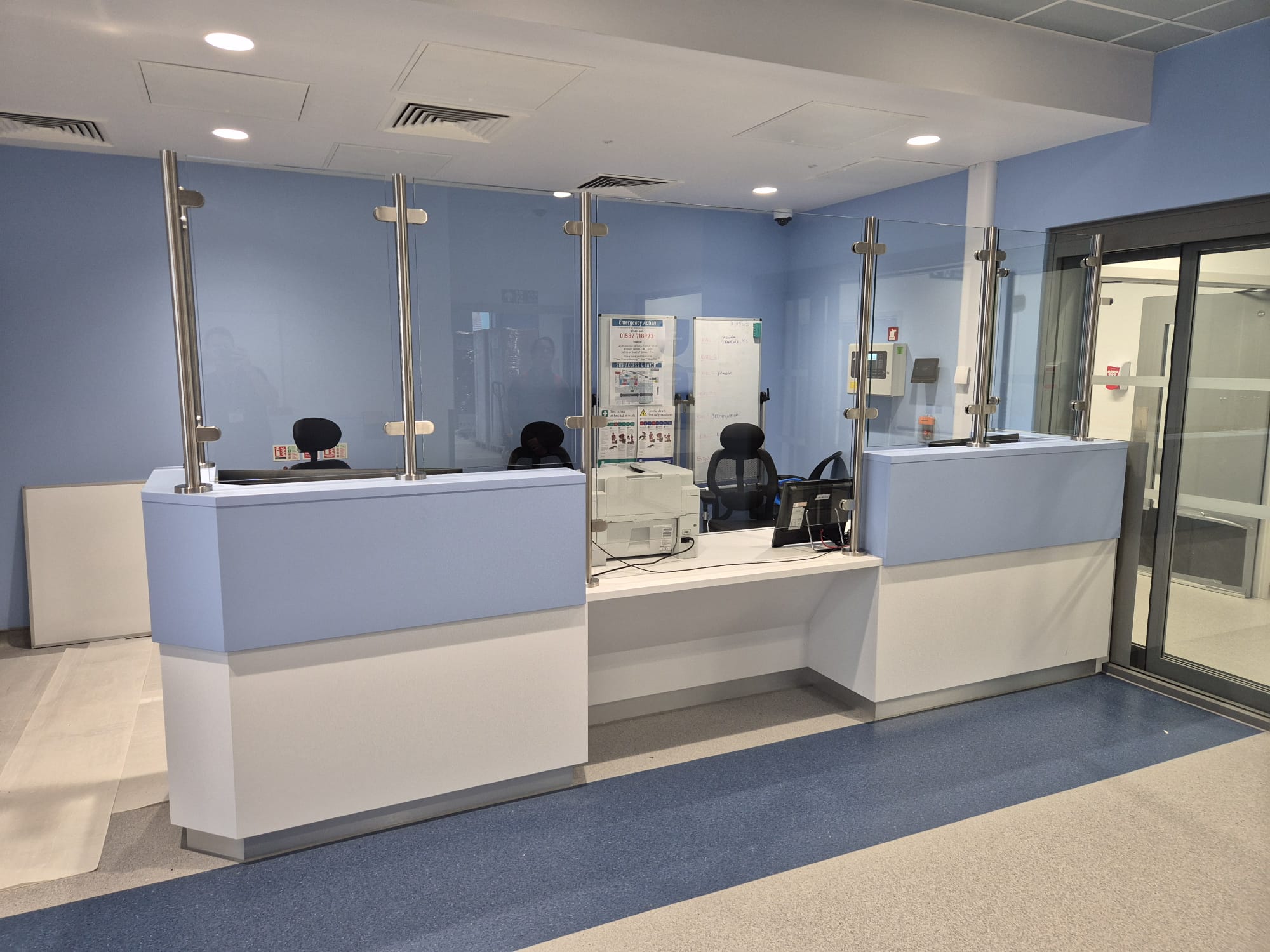
Furniture has become an integral part of safeguarding strategies. Reception counters can provide controlled separation between staff and visitors without creating an intimidating atmosphere. Protective glazing can offer reassurance while maintaining clear communication. Carefully designed layouts can provide staff with secure retreat routes should a situation escalate.
These are not simply pieces of furniture. They are part of the building’s passive security system. That is why the best healthcare furniture achieves a careful balance. It protects staff without making patients feel unwelcome. It provides security without sacrificing dignity, openness or compassionate care.
Perhaps, however, is the most concerning aspect of the latest NHS Staff Survey. It is not simply the number of reported incidents, but what those figures represent. Behind every statistic is a member of staff who has experienced physical assault, verbal abuse, discrimination or inappropriate behaviour while simply trying to do their job. The consequences extend far beyond the immediate incident.
Staff who feel unsafe are more likely to experience stress, anxiety and burnout. Recruitment becomes more difficult. Retention suffers. Sickness absence increases. Ultimately, the patient experience can also be affected because healthcare relies upon confident, motivated professionals who feel supported by their employer.
Encouragingly, the survey also found that almost 88% of NHS staff still believe their work makes a positive difference to patients. That extraordinary level of commitment deserves workplaces that demonstrate an equally strong commitment to protecting them.
Designing with Behaviour in Mind
Healthcare environments have become significantly more sophisticated in recent years. Modern hospitals are increasingly designed around patient pathways, infection control, accessibility and operational efficiency. The next stage in that evolution is designing around human behaviour.
This means recognising where conflict is most likely to occur and designing spaces that help de-escalate tension before it develops into something more serious. Simple interventions can make a significant difference.
At David Bailey Furniture, we ensure that reception desks are designed with appropriate stand-off distances, integrated protective screens, clear sightlines that improve visibility and secure access to staff-only areas.
Robust, impact-resistant materials capable of withstanding demanding healthcare environments, are also essential and when combined, these elements create workplaces that support both operational efficiency and staff wellbeing.
Across the NHS, many Trusts are already investing in these principles.
At Luton & Dunstable University Hospital, for example, David Bailey Furniture Systems recently supplied bespoke reception safety screens designed to enhance protection for frontline staff while maintaining the welcoming environment patients expect.
Rather than creating barriers, the installation demonstrates how thoughtful furniture design can successfully combine security, communication and aesthetics within a busy healthcare setting.
It reflects a wider movement across healthcare estates, where staff safety is becoming an increasingly important consideration during refurbishment and new-build projects alike.
Designing for the Future NHS
The NHS continues to invest heavily in modernising its estate through programmes such as the New Hospital Programme and ongoing refurbishment of existing facilities.While digital technology, sustainability and clinical efficiency rightly receive significant attention, staff protection should also remain equally prominent.
The latest NHS Staff Survey is a reminder that workplace violence is no longer an isolated issue affecting a handful of departments. It is a growing challenge that affects healthcare organisations across the country.
No piece of furniture will solve that problem on its own. However, well-designed healthcare environments can make staff feel safer, support better operational practices and reduce opportunities for conflict to escalate.
That makes furniture far more than an interior fit-out decision. It becomes part of the wider strategy for protecting the people who dedicate their lives to protecting everyone else.
Healthcare buildings exist for patients, but they also exist for the thousands of professionals who spend their working lives within them. Every reception desk, nurses’ station, consultation room and clinical workspace should therefore be designed with two people in mind – the patient receiving care and the member of staff delivering it.
At David Bailey Furniture, that philosophy underpins every healthcare project undertaken. Designing bespoke fitted furniture is not simply about creating attractive interiors. It is about creating safer, more efficient and more resilient healthcare environments where staff can concentrate on what matters most – caring for patients.
As the latest NHS Staff Survey demonstrates, protecting frontline workers has never been more important. Thoughtful design cannot prevent every incident, but it can play an important role in helping the NHS create workplaces where the people who care for us feel safer, more supported and better protected every single day.
Related Posts