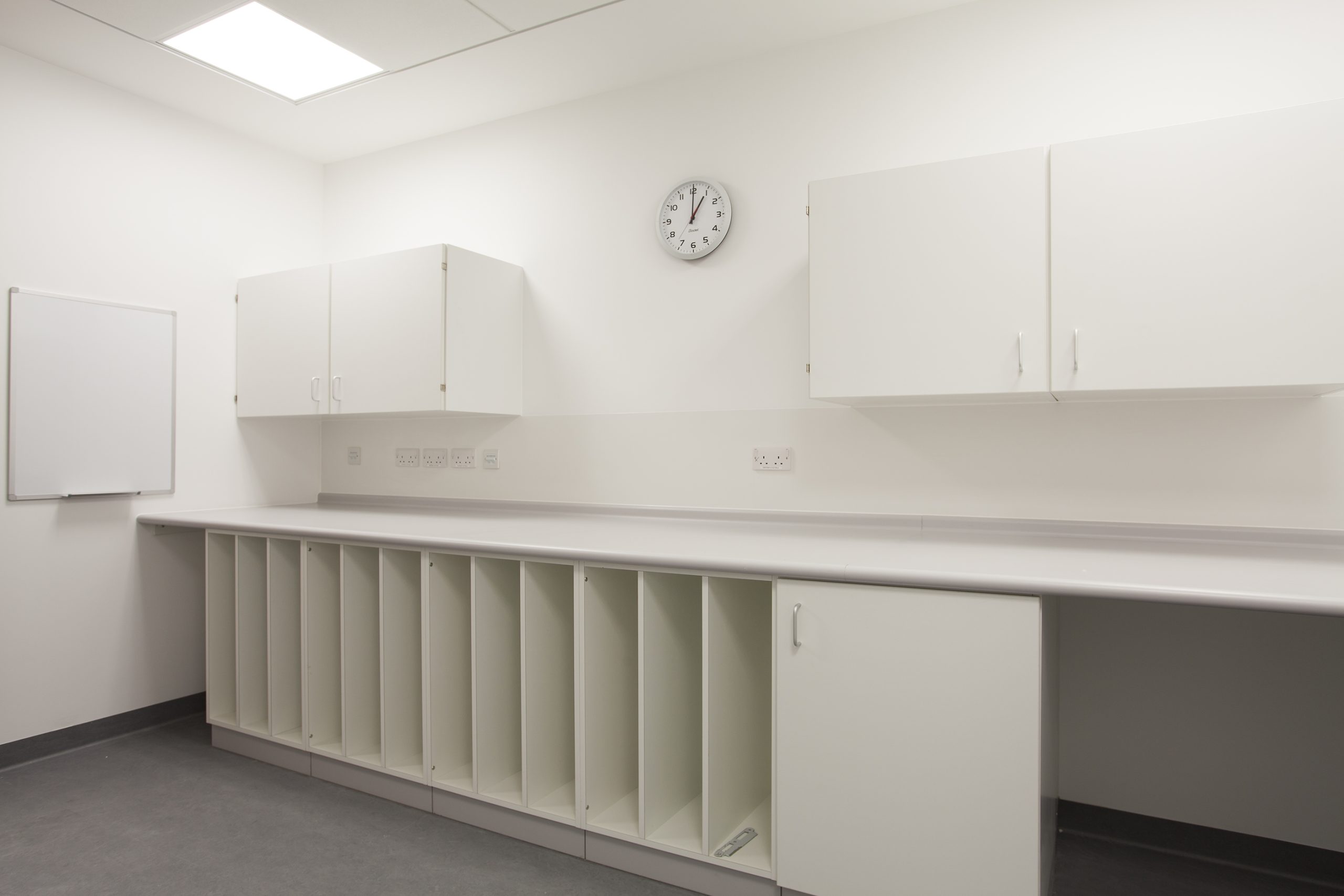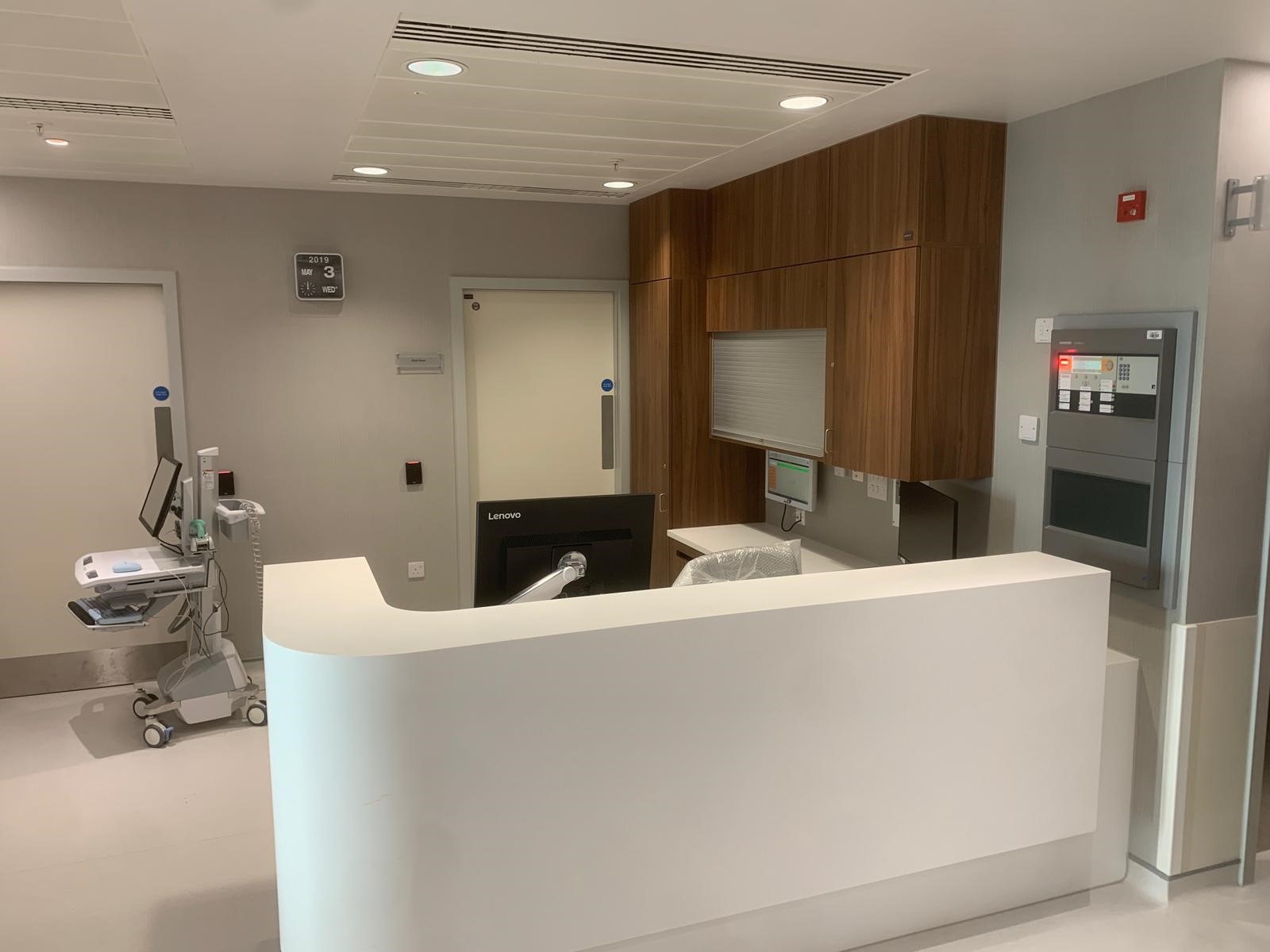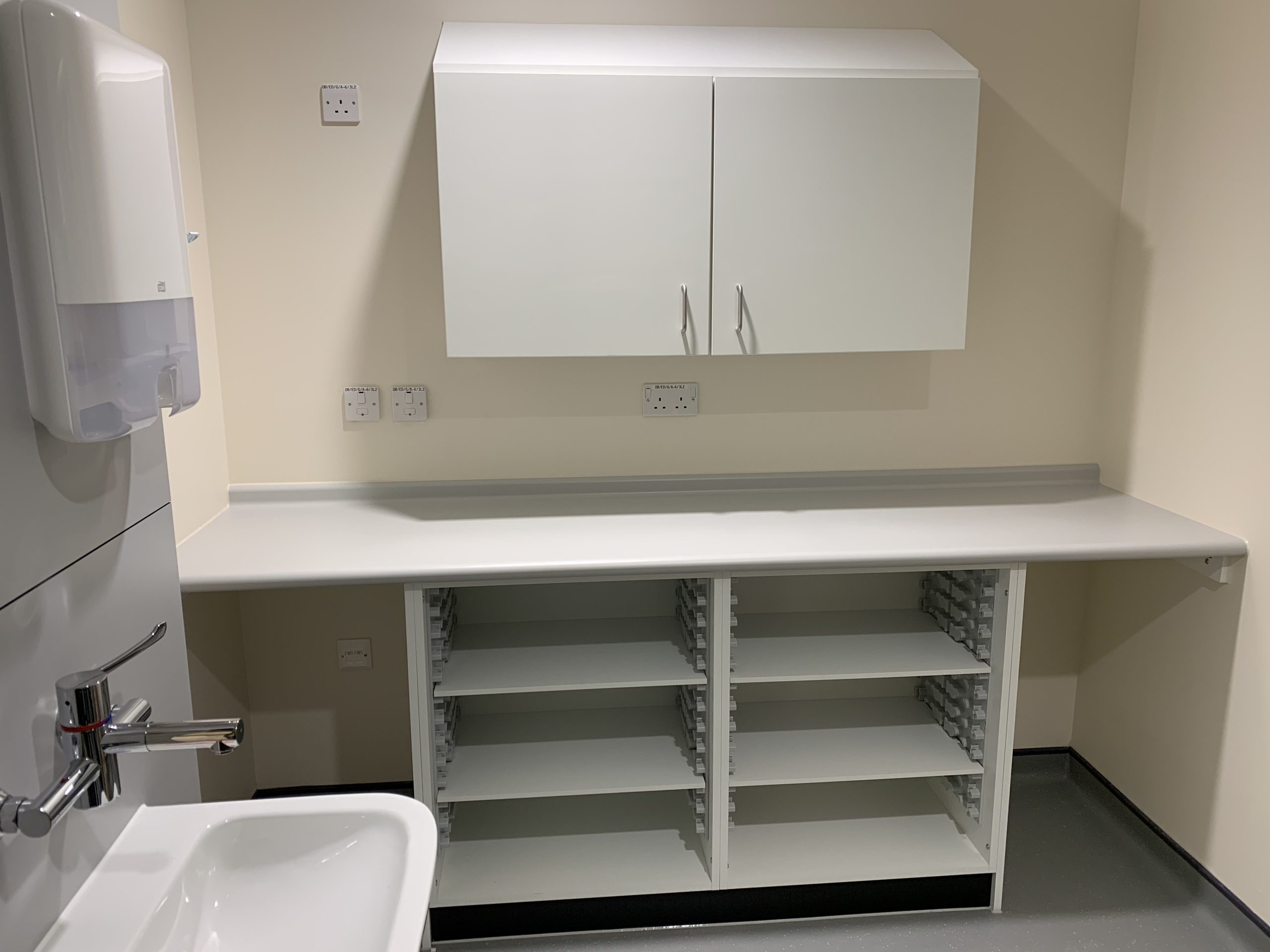
Most hospital environments are designed, reviewed and photographed during the day, when departments are fully staffed, natural light floods through windows, support services are readily available and visitors are moving throughout the building. It is an environment that reflects how hospitals are intended to operate, but healthcare never stops. It therefore raises an interesting question - if hospitals operate around the clock, why do we often design their environments around daytime conditions, writes Katie Thompson, business development manager at David Bailey Furniture Systems?

Why UK-made fitted furniture matters for healthcare
In recent years, the phrase “supply chain resilience” has moved from industry jargon to everyday reality. From PPE shortages during the pandemic to ongoing global logistics disruptions, the healthcare sector has seen first-hand how fragile international supply chains can be. Yet one area that often escapes attention is the sourcing of healthcare fitted furniture, despite its critical role in patient care, staff wellbeing and operational efficiency, writes Katie Thompson, business development manager at David Bailey Furniture System.
For hospitals, clinics and care environments across the UK, the question is now becoming increasingly relevant – where does your furniture come from and does it matter? The answer, more than ever, is yes.
The COVID-19 pandemic exposed significant vulnerabilities in global supply chains. According to the UK’s Office for National Statistics (ONS), nearly 40% of businesses experienced supply chain disruption in 2021, with manufacturing and healthcare-related sectors among the hardest hit. These disruptions were not limited to specialist equipment – they extended to everyday items, including fitted furniture and fittings.
For healthcare providers, delays in fitted furniture delivery are not just inconvenient – they can directly impact service delivery. Whether it’s outfitting a new ward, upgrading a waiting area or responding to increased patient demand, timelines matter.
UK-based manufacturing offers a clear advantage. Shorter supply chains mean fewer variables, greater control and significantly reduced risk of delays. When products are designed and manufactured domestically, lead times are more predictable and less vulnerable to global shocks such as shipping delays, geopolitical tensions or material shortages. This level of reliability is becoming a key consideration for procurement teams looking to future-proof their operations.
Quality control you can see and trust
Healthcare environments are demanding. Fitted furniture, in particular, must withstand constant use, meet strict hygiene standards and support a wide range of clinical and non-clinical functions. In this context, quality is not a luxury – it is essential.
UK manufacturing provides a level of oversight and accountability that is difficult to replicate with overseas production. Facilities operating within the UK are subject to stringent regulations and quality standards, ensuring consistency and durability in the finished product.
There is also the benefit of proximity. Being closer to the manufacturing process allows for greater transparency, easier communication and the ability to respond quickly to issues or changes. For healthcare providers, this translates into confidence that what is specified is what will be delivered – without compromise.
According to a report by Make UK, the manufacturers’ organisation, UK manufacturing has some of the highest quality assurance standards in the world, with a strong emphasis on precision, compliance and continuous improvement. In healthcare settings, where failure is not an option, that matters.
Furthermore, sustainability is now firmly on the agenda across the built environment and healthcare sectors. The NHS has committed to becoming the world’s first net zero health service, with a target to reach net zero for the emissions it controls directly by 2040. Fitted furniture procurement plays a part in this journey, particularly when it comes to embodied carbon and transportation emissions.
Imported furniture often travels thousands of miles before reaching its final destination, contributing significantly to its overall carbon footprint. In contrast, UK-made products benefit from reduced transportation distances and, increasingly, more sustainable manufacturing practices.
The Carbon Trust highlights that transport can account for up to 10–20% of a product’s total carbon footprint, depending on its origin and mode of transport. By sourcing furniture locally, healthcare organisations can make a meaningful reduction in emissions without compromising on quality or performance.
There is also a growing emphasis on responsible sourcing of materials, waste reduction and circular economy principles within UK manufacturing. These factors combine to create a more environmentally responsible product lifecycle, something that is becoming increasingly important in public sector procurement decisions.
Faster, more flexible customisation
No two healthcare environments are the same. From acute hospital settings to mental health facilities and community clinics, each space has its own unique requirements.
One of the key advantages of UK-based manufacturing is the ability to respond quickly to these needs. Customisation is often faster, more collaborative and more precise when design and production teams are operating within the same time zone and often within the same facility.
This flexibility allows for:
- Adjustments to dimensions or configurations
- Tailored finishes and materials
- Rapid prototyping and iteration
- Easier integration with existing environments
In contrast, overseas manufacturing can introduce delays and limitations when changes are required, particularly once production has begun. For healthcare providers working to tight project timelines or evolving requirements, this ability to adapt quickly can make a significant difference.
Supporting British jobs and skills
In addition to the immediate practical benefits, there is a broader economic and social impact to consider. Manufacturing remains a vital part of the UK economy. According to the Department for Business and Trade, the sector employs around 2.6 million people and contributes approximately £224 billion to the UK economy. Supporting UK-based manufacturers helps sustain these jobs, protect specialist skills and strengthen regional economies.
In sectors such as healthcare, where public funding plays a significant role, there is an increasing expectation that procurement decisions deliver wider social value. Choosing UK-made products is one way to achieve this, ensuring that investment supports local communities as well as operational needs.
It also helps preserve expertise. The design and manufacture of healthcare furniture requires a deep understanding of both technical performance and user experience. Maintaining this capability within the UK ensures that knowledge is retained and developed for future generations.
For many years, cost has been the dominant factor in procurement decisions. However, there is a growing recognition that the lowest upfront cost does not always represent the best value over time.
When factors such as durability, maintenance, lead times, environmental impact and supply chain reliability are taken into account, the case for UK-made healthcare furniture becomes much stronger.
This is not about rejecting global supply chains altogether, but about striking the right balance. For critical applications, where quality, reliability and responsiveness are essential, local manufacturing offers clear and tangible benefits.
As the healthcare sector continues to evolve, so too will the demands placed on the environments in which care is delivered. Flexibility, resilience and sustainability will all play a part in shaping future decisions.
Fitted furniture may not always be the first consideration in these discussions, but it is an important one. It supports the daily experience of patients and staff, contributes to the functionality of spaces and reflects the values of the organisations that procure it.
In this context, the question is not simply where furniture is made, but what that choice represents.
UK-made healthcare furniture offers more than proximity. It offers control, confidence and a closer connection between design, manufacture and use. In an increasingly uncertain world, those qualities are becoming more valuable than ever.
Related Posts