For architects and specifiers, fitted healthcare furniture is far more than a collection of cabinets,…
Maximising space in compact healthcare areas
Every healthcare room has to accommodate more equipment, more technology and more people than ever before, yet the available floor space rarely increases. Making better use of the space that already exists has therefore become a key consideration for architects, NHS estates teams and healthcare providers, writes Steve Bage, Business Co-Ordinator at David Bailey Furniture Systems.
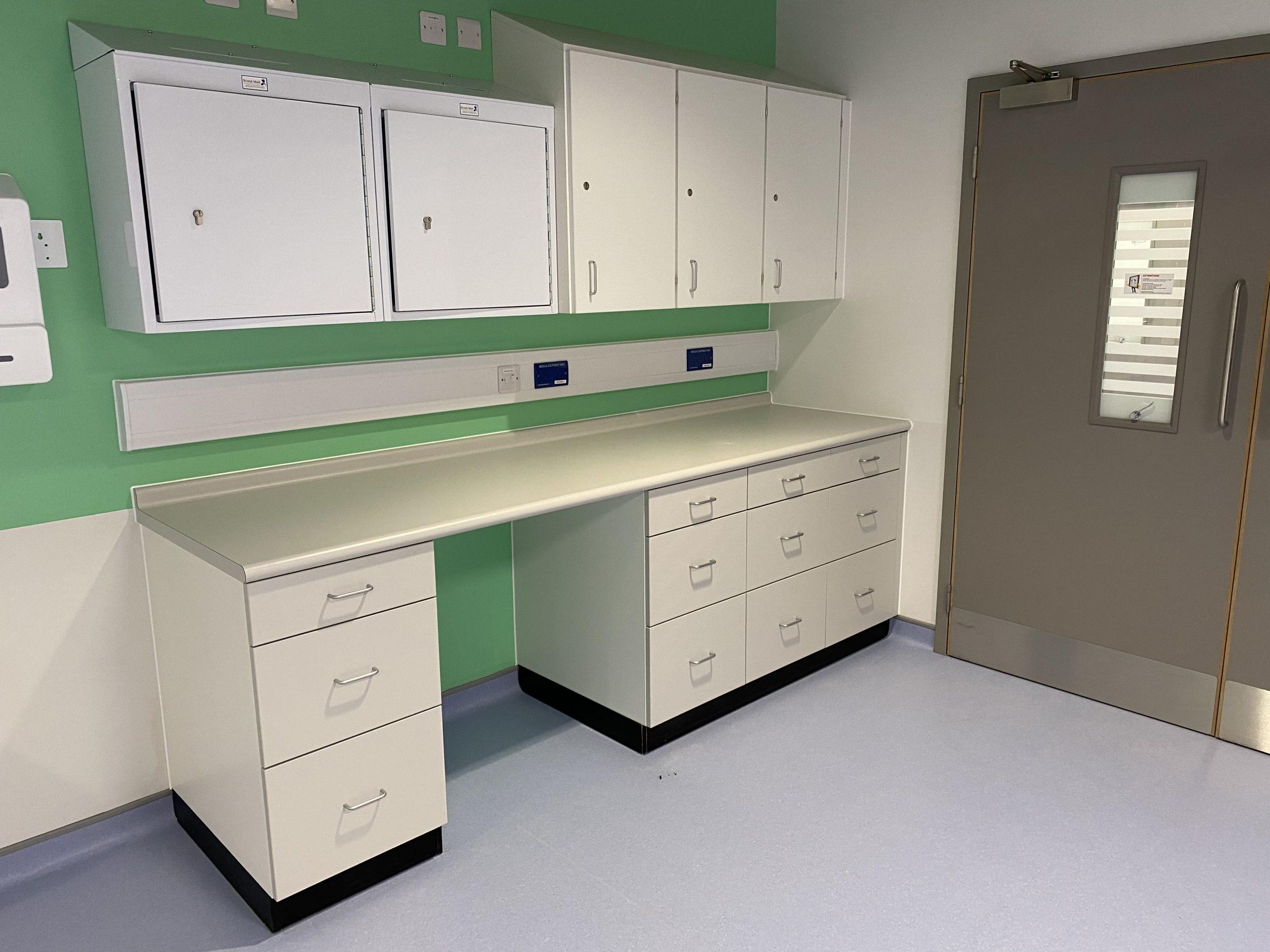
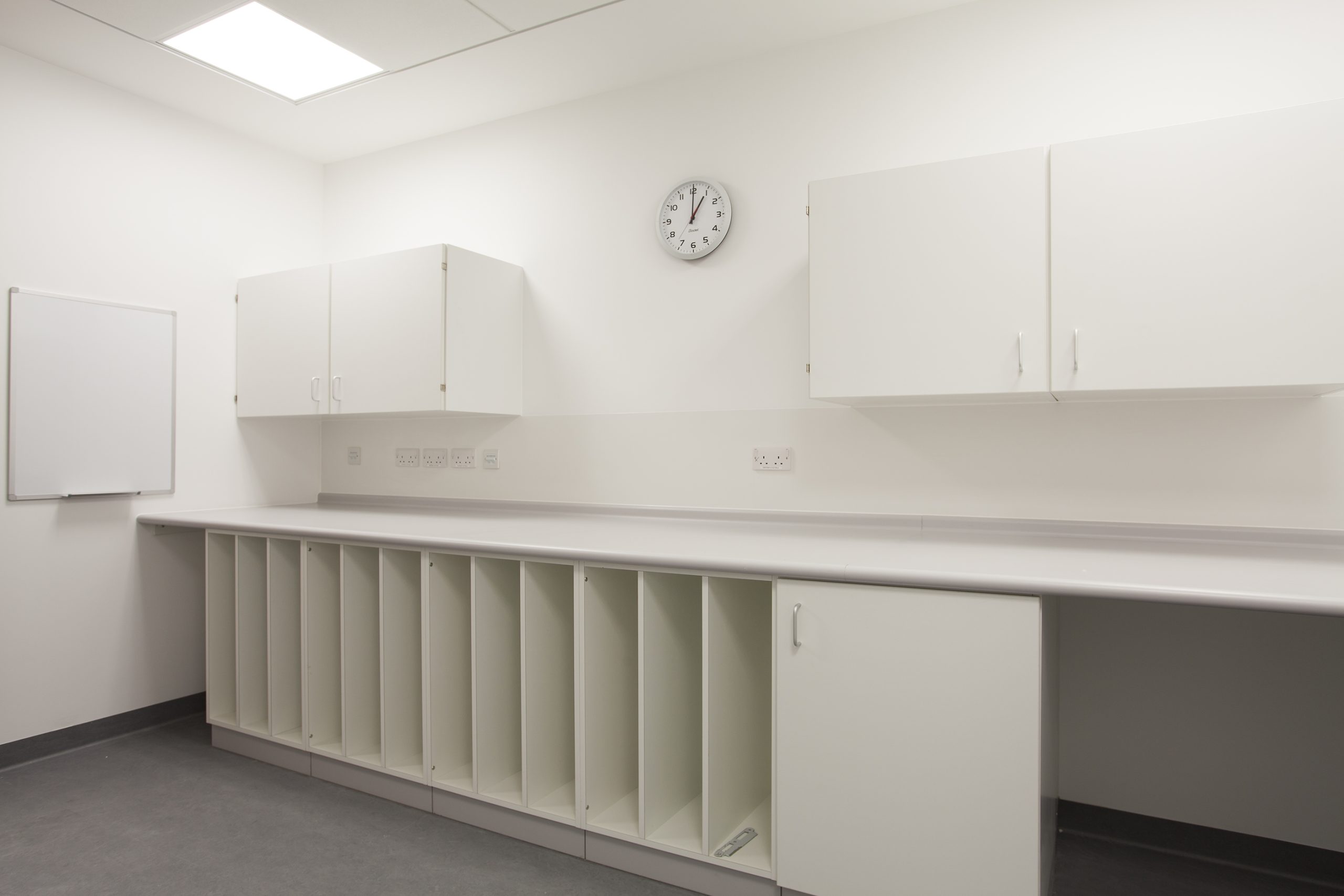
This is why wall-mounted storage systems have become increasingly important as healthcare facilities seek to maximise existing buildings rather than expand them. By lifting cabinetry off the floor, it is possible to create more usable clinical space and provide the flexibility to adapt rooms as services and equipment continue to evolve.
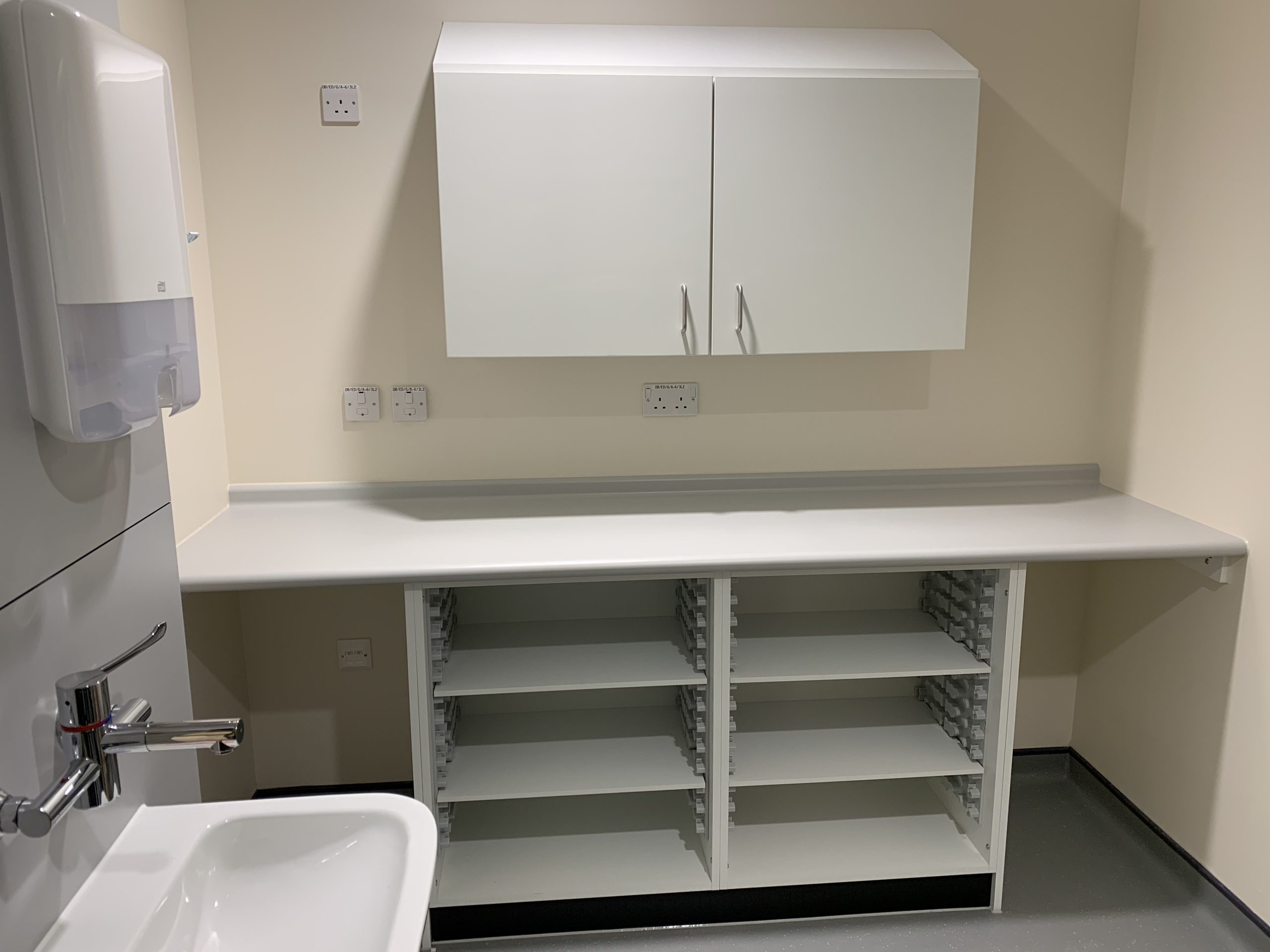
By fixing cabinetry directly to the wall, the floor beneath remains completely clear. This means that cleaning teams have unrestricted access beneath every cabinet, reducing areas where dirt can collect and helping support the rigorous cleaning regimes required throughout healthcare environments. The result is a cleaner, more spacious room that is easier to maintain throughout its life.
It is also rare for healthcare environments to remain unchanged. Departments evolve, clinical procedures develop and equipment requirements change over time. Storage systems that cannot adapt often become a limitation rather than an asset.
Wall-mounted systems can be designed with adjustable shelving that allows storage configurations to evolve alongside clinical requirements. Whether accommodating larger medical devices, additional consumables or changing stock levels, shelves can be repositioned without replacing the entire installation. This flexibility helps healthcare providers maximise the lifespan of their fitted furniture while reducing the need for future alterations.
Supporting safer and more efficient workflows
This is because storage is not just about where equipment is kept. It influences how quickly clinicians can access essential items, how easily stock can be managed and how efficiently treatment rooms operate throughout the day.
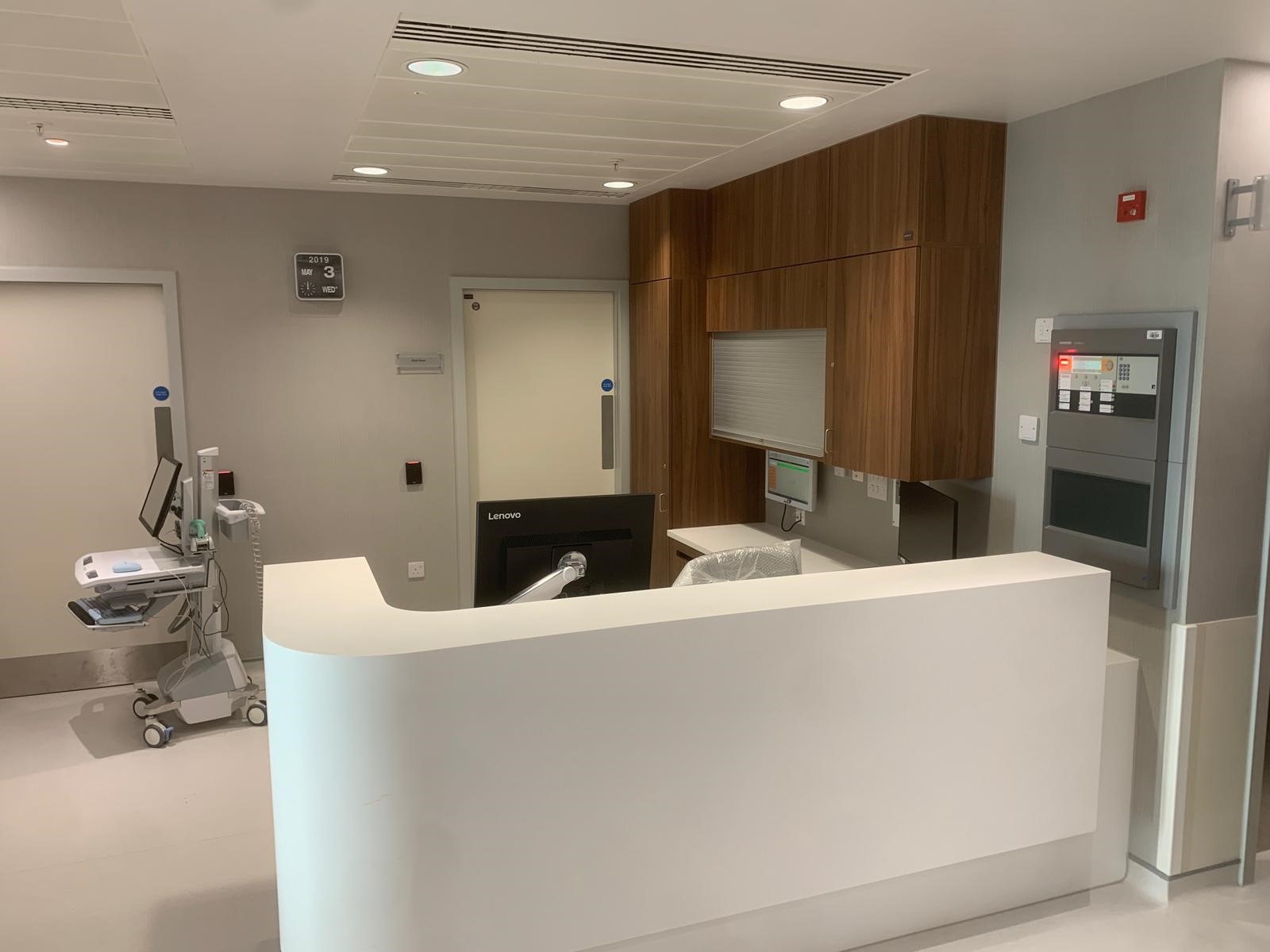
Purpose-designed wall-mounted storage allows frequently used consumables to be positioned at comfortable working heights, reducing unnecessary bending, reaching and lifting. By organising equipment around the way clinicians actually work, fitted furniture supports smoother workflows while helping reduce physical strain during busy shifts.
When every item has a dedicated place, treatment spaces become more organised, allowing staff to focus on patient care rather than searching for equipment.
However, one misconception surrounding wall-mounted furniture is that it cannot support the same loads as traditional floor-standing units. In reality, professionally designed cantilever storage systems are engineered specifically for demanding healthcare environments. When correctly designed and installed, they safely support substantial loads while providing the same durability and long-term performance expected from conventional cabinetry.
The key lies in understanding both the anticipated loads and the structure of the building itself. Storage intended for lightweight consumables requires different engineering considerations from cabinetry designed to accommodate heavier clinical equipment. For this reason, wall-mounted furniture should always be designed as part of the overall healthcare fit-out rather than treated as a standard joinery installation.
Installation is as important as the furniture itself
The performance of any wall-mounted storage system depends not only on its design, but also on how it is installed. Wall construction, structural support, service locations and fixing methods all need to be considered during the design phase to ensure the finished installation performs exactly as intended.
By involving specialist healthcare furniture manufacturers early in the project, architects, contractors and estates teams can coordinate these requirements before installation begins, avoiding costly alterations later in the programme. Early collaboration also ensures furniture integrates seamlessly with mechanical and electrical services, helping projects progress more efficiently through to completion.
As NHS estates continue to modernise existing facilities, creating additional clinical capacity is becoming increasingly challenging. In many cases, expanding buildings is not an option. Making better use of the space already available has therefore become just as important as creating new space.
Purpose-designed wall-mounted storage helps achieve that objective by improving organisation, supporting infection prevention, increasing flexibility and creating healthcare environments that are easier to clean and more efficient to use.
At David Bailey Furniture Systems, we understand that healthcare furniture is never just about storage. Every cabinet, shelf and workstation is designed to support the way clinicians work, helping NHS Trusts create environments that are practical, durable and adaptable for the future.
Our bespoke wall-mounted storage systems are manufactured specifically for demanding healthcare environments, combining robust engineering with intelligent design to maximise space, improve efficiency and deliver the long-term performance today’s healthcare facilities demand.
Related Posts