
Sustainability is no longer an aspiration - it’s a necessity. With the NHS Property Services…
The sustainability advantage of local manufacturing
Sustainability is no longer a future ambition within the healthcare sector – it is an immediate priority. With the NHS committing to becoming the world’s first net zero health service, the spotlight is now firmly on every part of the supply chain, from major infrastructure projects down to the materials and products used within everyday clinical environments, writes Katie Thompson, business development manager at David Bailey Furniture Systems.
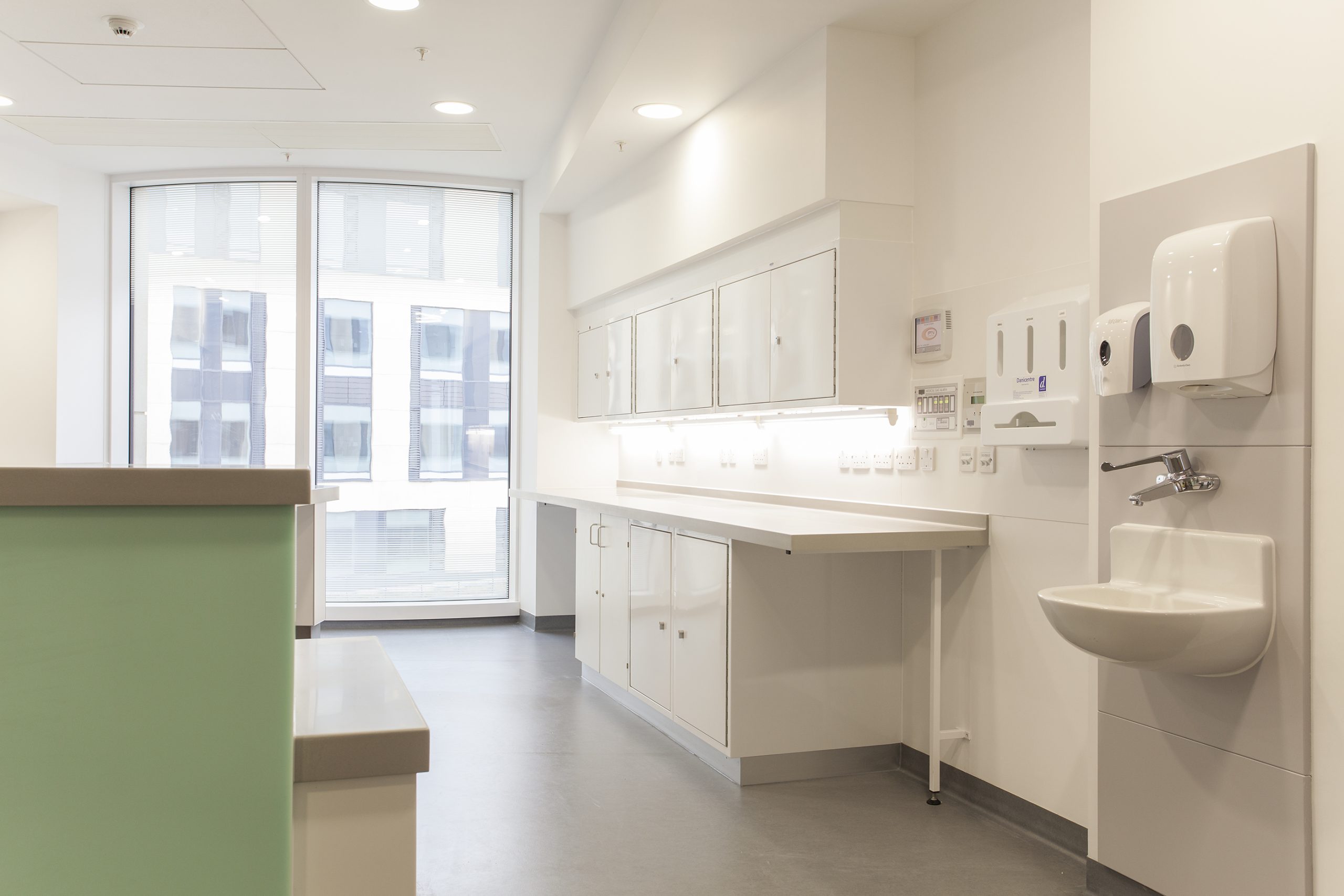
Fitted furniture may not always be the first area considered in discussions around carbon reduction, but it plays a far more significant role than many realise. From raw material sourcing through to manufacturing, transport and end-of-life disposal, healthcare furniture carries an environmental footprint that cannot be ignored.
As a result, there is growing recognition that where and how furniture is made matters. Increasingly, local manufacturing is emerging as a practical and measurable way to reduce environmental impact, while supporting broader sustainability goals across the healthcare estate.
In October 2020, NHS England set out its ambition to reach net zero carbon emissions by 2040 for the emissions it directly controls and by 2045 for those it can influence. This includes not only energy use within buildings, but also the procurement of goods and services – often referred to as “Scope 3” emissions.
These indirect emissions account for a significant proportion of the NHS’s overall carbon footprint. According to NHS England’s Delivering a Net Zero NHS report, the supply chain represents around 62% of total emissions. That figure alone highlights the importance of procurement decisions in achieving meaningful carbon reductions.
Fitted furniture sits firmly within this category. Choosing locally manufactured products can therefore contribute directly to reducing Scope 3 emissions, supporting NHS organisations in meeting their environmental targets.
Reducing carbon through shorter supply chains
One of the most immediate sustainability advantages of local manufacturing is the reduction in transportation-related emissions. Furniture produced overseas often travels thousands of miles via sea freight, road and sometimes air before reaching its final destination. Each stage adds to its carbon footprint. By contrast, UK-manufactured furniture benefits from significantly shorter and more efficient supply chains.
The Carbon Trust notes that transportation can contribute between 10% and 20% of a product’s total carbon footprint, depending on distance and method of delivery. Reducing this distance has a direct and measurable impact on overall emissions.
Local manufacturing also allows for more consolidated deliveries and better logistical planning, further reducing unnecessary transport movements. In a sector where large volumes of furniture are required across multiple sites, these savings quickly add up.
Sustainability is not only about how far a product travels – it also depends on the materials used and how they are sourced. Timber remains a key component in much healthcare fitted furniture, making responsible forestry practices an important consideration. Certification schemes such as those provided by the Forest Stewardship Council (FSC) – and those adhered to by manufacturers like us – ensure that wood is sourced from responsibly managed forests that protect biodiversity, respect local communities and maintain long-term ecological balance.
FSC-certified materials provide assurance that environmental standards are being upheld throughout the supply chain. Increasingly, UK manufacturers are prioritising these certifications, offering greater transparency and traceability for clients.
For healthcare organisations, this aligns with procurement frameworks that place greater emphasis on environmental responsibility and ethical sourcing. It also provides confidence that sustainability claims are backed by independently verified standards.
Waste reduction and efficient manufacturing
Another key advantage of local manufacturing lies in the ability to control and reduce waste throughout the production process. UK manufacturers are subject to strict environmental regulations and are increasingly adopting lean manufacturing techniques to minimise material waste, optimise resource use and improve efficiency. This includes:
- Precision cutting to reduce offcuts
- Recycling of production waste
- Use of low-emission adhesives and finishes
- Improved energy efficiency within factories
According to WRAP (Waste and Resources Action Programme), UK manufacturing has made significant progress in reducing waste sent to landfill, with many sectors achieving reductions of over 90% in recent years through improved processes and recycling initiatives.
In contrast, overseas manufacturing can be more difficult to monitor and may not always adhere to the same environmental standards. Local production offers greater visibility and accountability, ensuring that sustainability is embedded throughout the process.
Sustainability is not just about how a product is made – it is also about how long it lasts.
Healthcare fitted furniture is subject to heavy use, and frequent replacement can significantly increase its environmental impact over time. Products that are designed and manufactured to higher durability standards reduce the need for replacement, lowering both material consumption and associated emissions.
Local manufacturers are often better positioned to focus on long-term performance, offering products that are robust, repairable and adaptable. This aligns with the principles of a circular economy, where products are maintained and reused rather than discarded.
The Ellen MacArthur Foundation, a leading authority on circular economy principles, emphasises that extending product life is one of the most effective ways to reduce environmental impact. In healthcare settings, this approach not only supports sustainability goals but also delivers better value over time.
Flexibility and reduced overproduction
Local manufacturing also supports more responsive and demand-led production. Rather than relying on large production runs and long lead times, UK manufacturers can operate with greater flexibility, producing what is needed, when it is needed.
This reduces the risk of overproduction, excess stock and unnecessary waste – common challenges in global supply chains. It also allows for better alignment with project timelines, reducing the likelihood of products being stored, damaged or replaced before they are even used.
For healthcare providers, this flexibility is particularly valuable in environments where requirements can change quickly, whether due to service reconfiguration, expansion or refurbishment.
While carbon reduction is a key driver, sustainability also encompasses social and economic factors. Supporting UK manufacturing contributes to local employment, skills development and regional economic stability. According to the Office for National Statistics (ONS), manufacturing continues to play a vital role in many regional economies, providing skilled jobs and supporting local supply chains.
In public sector procurement, there is increasing emphasis on delivering “social value” alongside environmental performance. Choosing locally manufactured products can help meet these criteria, ensuring that investment benefits both the environment and the wider community.
As sustainability becomes a central consideration in healthcare procurement, decisions are becoming more nuanced. It is no longer sufficient to look solely at upfront cost or product appearance. Increasingly, organisations are asking deeper questions:
- Where has this product come from?
- How has it been made?
- What is its environmental impact over time?
Local manufacturing provides clearer answers to these questions. It offers greater transparency, improved control and a more direct connection between design, production and use.
However, the transition to a more sustainable healthcare estate will not be achieved through a single change, but through a series of informed decisions made across the entire supply chain. Fitted furniture is one of those decisions.
By choosing locally manufactured products, healthcare organisations can take a practical step towards reducing carbon emissions, supporting responsible sourcing and minimising waste – while maintaining the quality and performance required in demanding environments.
The sustainability advantage of local manufacturing is not theoretical. It is measurable, achievable and available now and as the sector continues to move towards net zero, it is an advantage that will only become more important.
Related Posts