It might sound strange, but here’s a question most healthcare designers do not ask often…
A day in the life of an HTM71 Unit
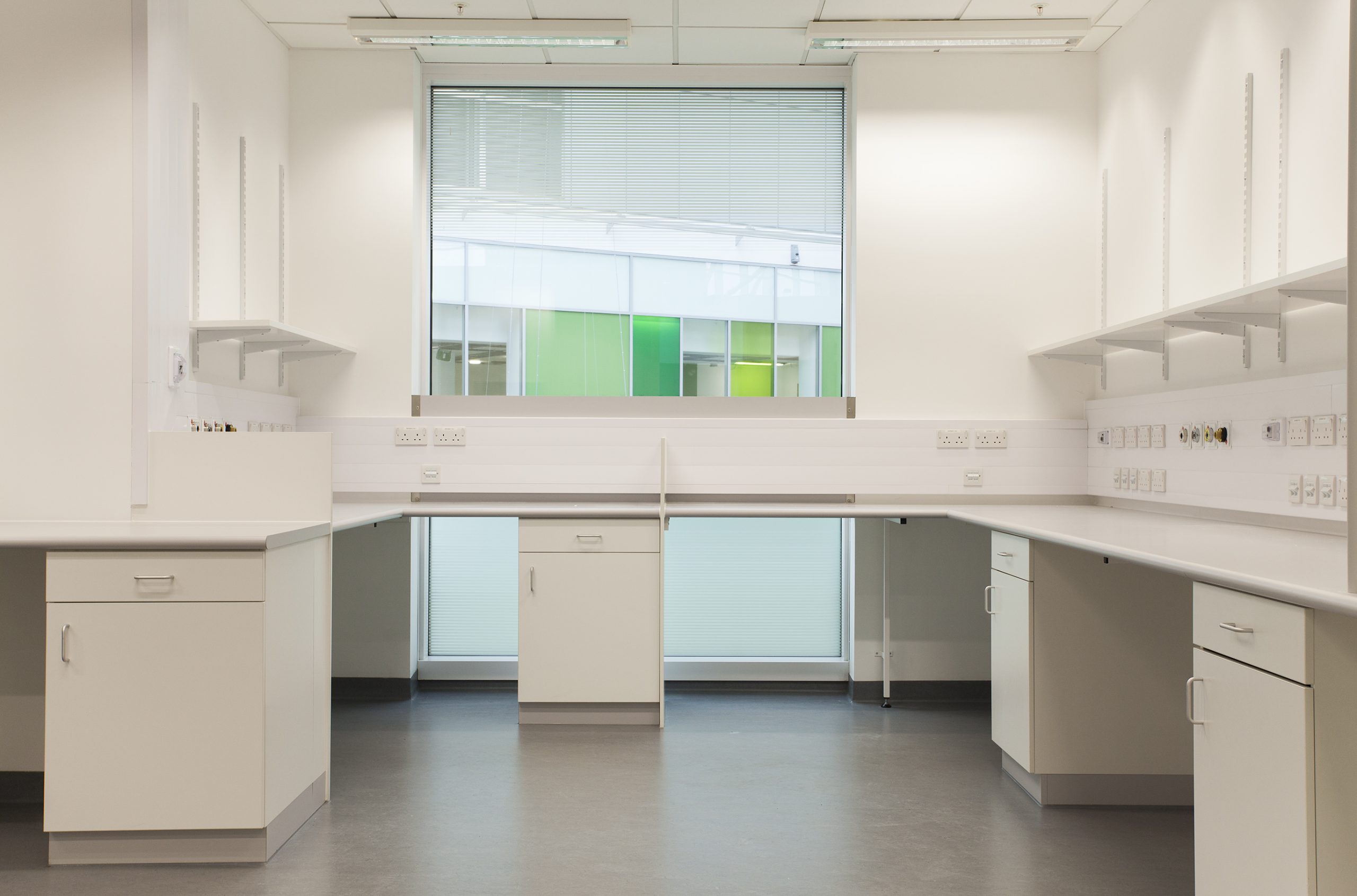
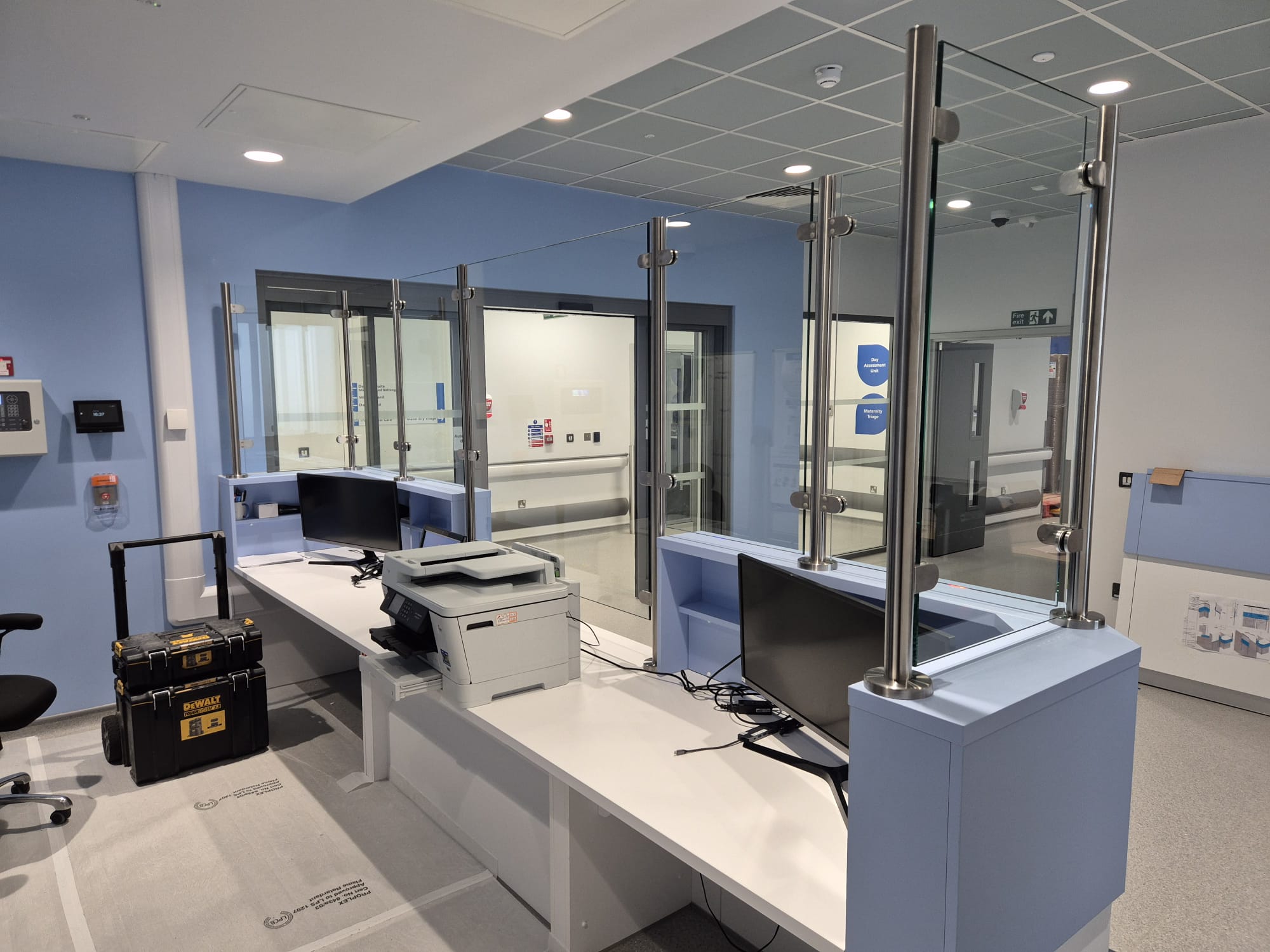
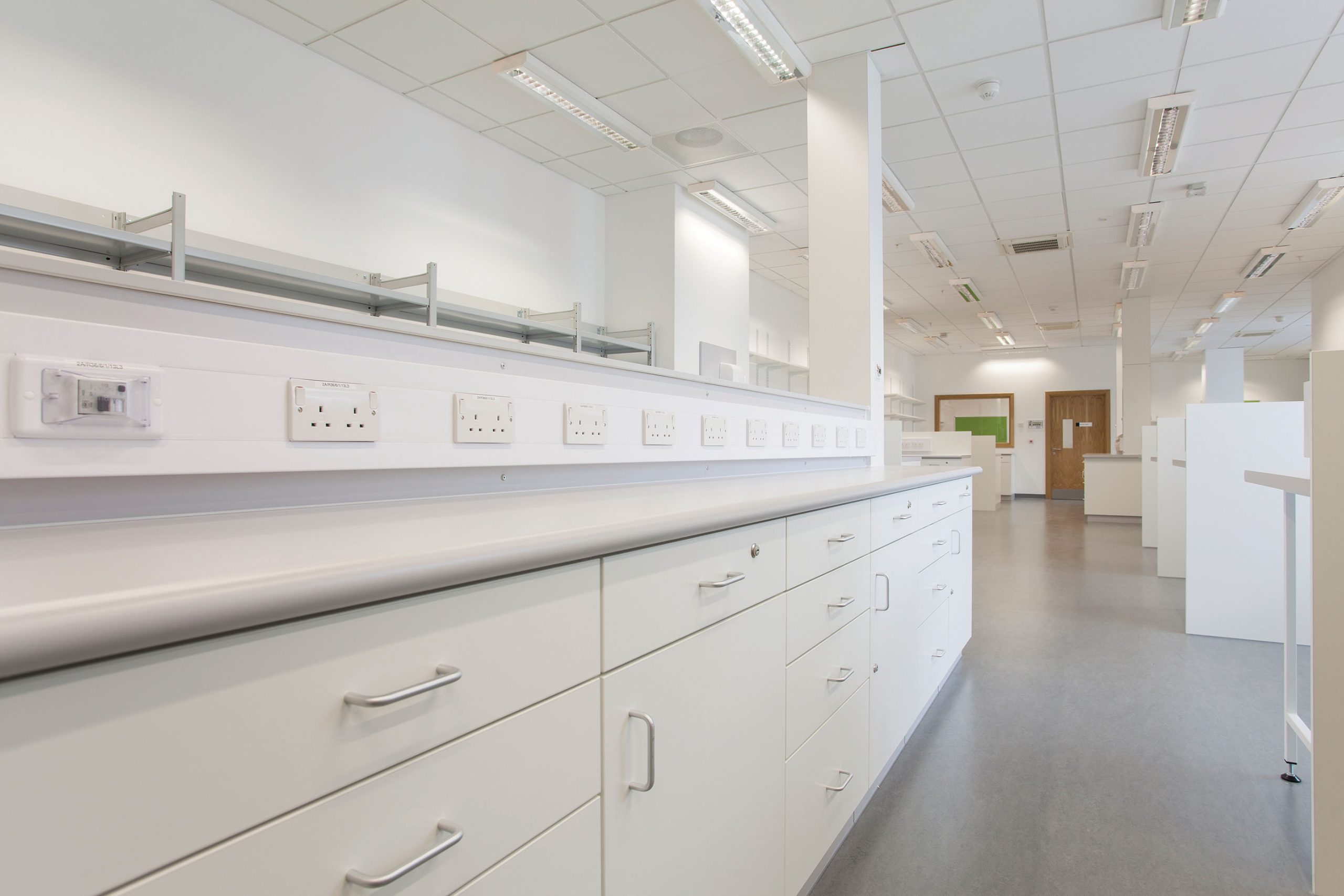
We are all aware that hospitals are dynamic environments, where every piece of equipment must contribute to patient care, staff efficiency and safety. That includes what healthcare experts’ term as HTM71-compliant fitted furniture units, which also play their own vital role in hospitals across the country. This specialised healthcare furniture is not just about storage – it is also about infection control, accessibility and workflow efficiency within the daily operations of busy wards, treatment rooms and clinical areas. Understanding therefore how an HTM71 unit functions throughout the day shows the importance of thoughtful design and the role of fitted furniture in modern healthcare settings, writes Tony Huggins, managing director of David Bailey Furniture.
So, let’s explore a day in the life of an HTM71 unit and uncover the impact that purpose-built, fitted furniture plays in the smooth operation of a busy hospital – it may be more significant than you imagine.
Early Morning
Staff rely on HTM71 units to provide immediate access to essential supplies, equipment and medications. The early morning shift is often dedicated to restocking, checking expiry dates and ensuring that every drawer, shelf and compartment is organised according to strict clinical protocols.
An HTM71 unit’s design delivers this process. Adjustable shelving, clearly labelled compartments and ergonomically positioned storage areas allow staff to locate and access items quickly. The materials used are carefully selected to withstand rigorous cleaning routines, ensuring compliance with infection control standards from the moment the hospital opens its doors. In this way, the unit is not just about storage, it is a foundational element that underpins operational efficiency and patient safety from the very start of the day.
Mid-Morning
By mid-morning, the hospital floor is fully active. Nurses, doctors and allied health professionals rely on HTM71 units to support complex workflows. Supplies such as personal protective equipment, sterile instruments and consumables must be immediately available to avoid delays in care.
The unit’s HTM71 compliance ensures that every surface and component is designed for cleanliness and durability. Smooth finishes, rounded edges and non-porous materials reduce the risk of bacterial contamination, enabling staff to maintain hygiene standards without interrupting patient care. The careful layout of drawers, cabinets and access points allows multiple staff members to use the unit simultaneously without crowding, supporting the rapid pace of a hospital environment.
Late Morning
As consultations, treatments and procedures progress, the HTM71 unit becomes an active participant in the delivery of care. Staff use it to store medication carts, diagnostic tools and patient-specific supplies, ensuring that everything needed is on hand at the point of care. Its integration into the clinical workflow allows healthcare professionals to focus on patients rather than searching for equipment or managing cumbersome storage solutions.
In busy hospitals, time is a critical resource. The layout of HTM71 units minimises unnecessary movement, allowing nurses to retrieve items efficiently and return them quickly. This attention to workflow design translates into smoother patient interactions, reduced stress on staff and fewer errors in medication administration or equipment handling.
Lunchtime
Even during quieter periods, HTM71 units require ongoing attention to maintain their effectiveness. Staff perform routine cleaning, wipe down surfaces and ensure that units remain fully stocked and correctly labelled. Compliance with HTM71 standards is a continual process, with documentation and checks performed to satisfy both internal protocols and external inspections.
This period also provides an opportunity for staff to adjust shelving or reorganise compartments based on observed usage patterns. Unlike generic storage, fitted HTM71 units allow for flexibility within a structured framework. Adaptations can be made to respond to changing clinical needs without compromising safety or hygiene, ensuring that the unit remains a reliable support tool throughout the day.
Afternoon
In the afternoon, HTM71 units often support a wider range of staff and activities. Allied health professionals, pharmacy teams and visiting specialists all interact with the unit to access necessary items. The standardised organisation and clear labelling allow different teams to work cohesively without confusion or cross-contamination.
The durability and quality of the unit’s materials become particularly evident during high-traffic periods. Smooth, robust surfaces withstand repeated use, while specialist features, such as soft-close drawers or secure compartments, reduce noise and prevent accidental spillage of sensitive supplies. Every design choice contributes to a quieter, safer and more efficient clinical environment.
Evening
As the day winds down, the HTM71 unit shifts focus toward preparation for the next day. Staff restock consumables, rotate emergency supplies and ensure that all components are fully functional. Any maintenance issues identified during the day can be addressed during this quieter period, preventing disruption to patient care during peak hours.
The unit also serves as a hub for inventory management, helping staff track stock levels, monitor usage trends and plan future replenishment. By maintaining a centralised, well-organised storage solution, hospitals can reduce waste, avoid stockouts and optimise procurement processes. The HTM71 unit thus contributes to long-term operational efficiency, beyond its immediate daily function.
Supporting Staff Wellbeing
It may also surprise you that HTM71 units play a role in supporting staff wellbeing. Ergonomic design reduces physical strain during frequent lifting and bending, while the predictable organisation of supplies minimises frustration and stress. In a busy hospital, these subtle design features can have a significant impact on the comfort and efficiency of clinical teams, contributing indirectly to better patient outcomes.
All this means that healthcare professionals benefit greatly from working with a fitted furniture supplier like David Bailey Furniture. Unlike modular or off-the-shelf units, fitted furniture is designed specifically for the space, workflow and compliance requirements of the hospital environment. It ensures that every inch of available space is optimised, that storage aligns with clinical standards and that units meet regulatory requirements such as HTM71. By providing bespoke solutions, suppliers can integrate features such as adjustable shelving, secure medication storage and easy-clean surfaces, creating a safer and more efficient environment for staff and patients alike.
The Night Shift
So, even after the main clinical activities have slowed, HTM71 units continue to support hospital operations. Night shift staff rely on the same accessible, organised storage to manage emergencies, routine checks and overnight treatments. The consistency provided by a well-designed unit ensures that there is no learning curve or adjustment required when different teams rotate through, maintaining the same standard of care 24 hours a day.
Emergency procedures and rapid access to essential items highlight the importance of reliability and foresight in unit design. A unit that functions predictably under pressure allows staff to respond effectively, improving both safety and confidence in the systems supporting patient care.
All this means that the daily life of an HTM71 unit in a busy hospital illustrates the critical role that thoughtfully designed, fitted furniture plays in modern healthcare. From early morning preparation to overnight operations, these units support workflow efficiency, hygiene compliance, patient safety and staff wellbeing. They really are more than storage solutions – they are integrated tools that enable hospitals to function smoothly in high-pressure environments – and they are quietly doing their job.
Related Posts