Let me invite you into the world of fitted furniture - an environment where precision…
A day in the life of a busy NHS Hospital reception desk
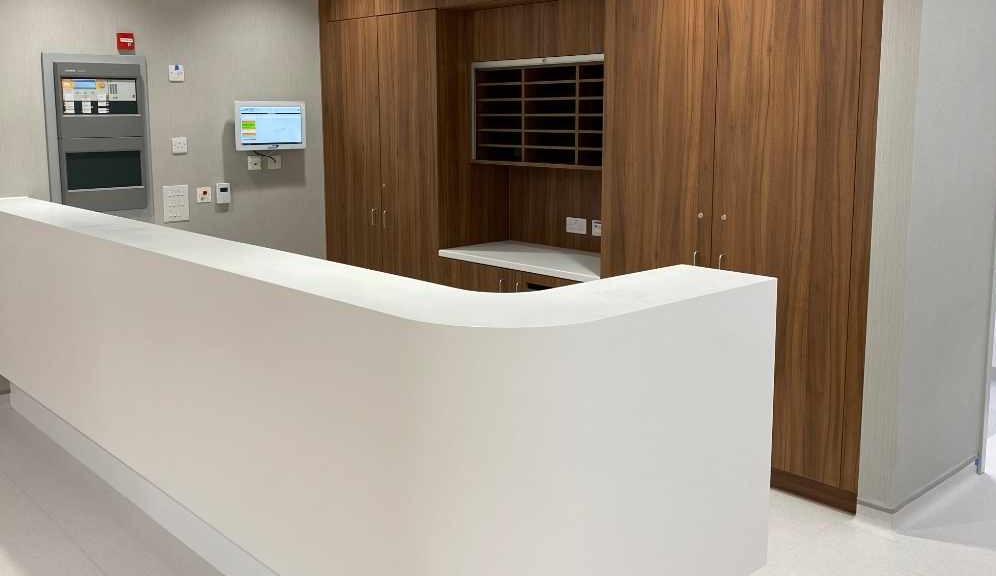
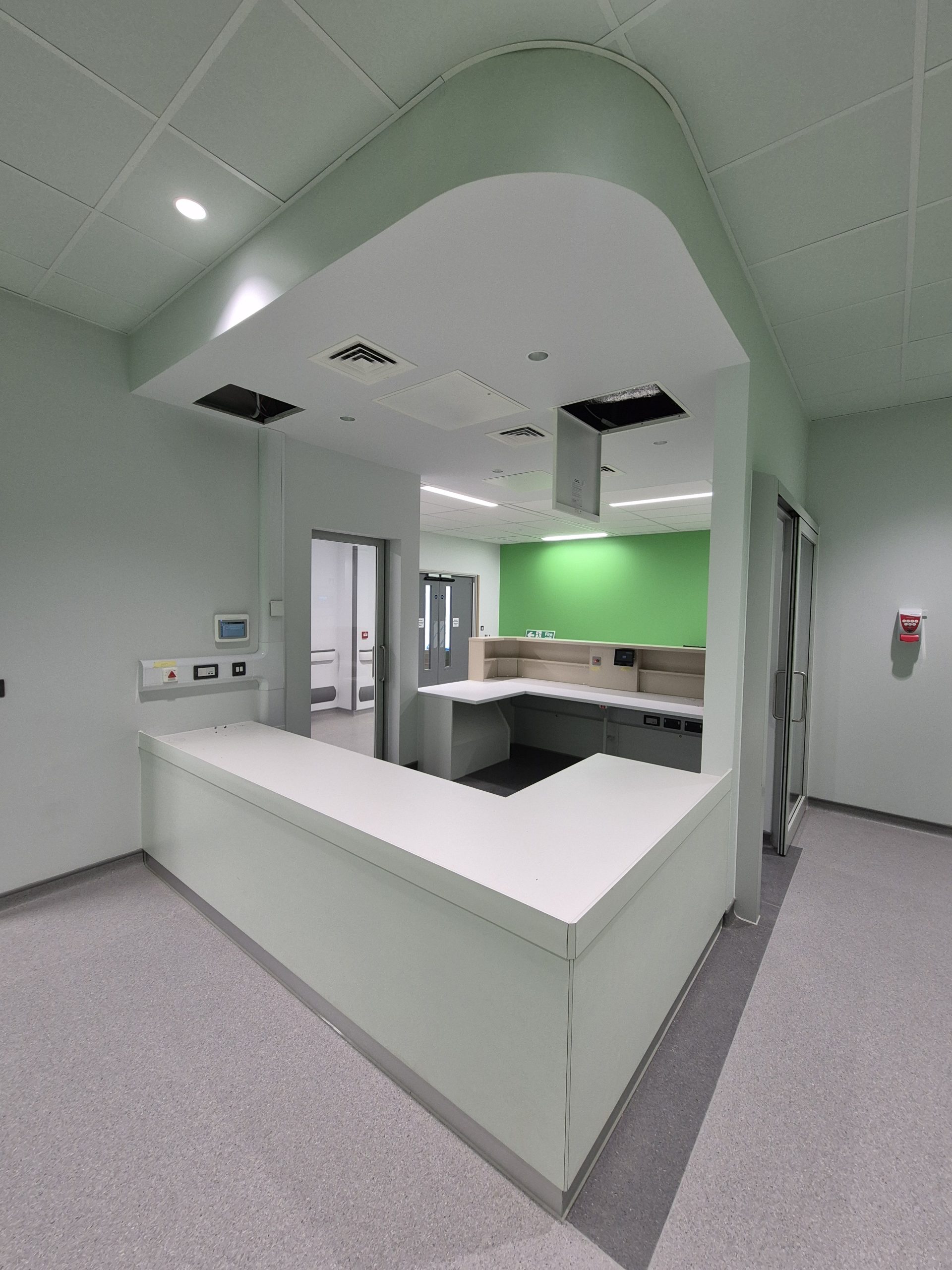
Inside the main entrance of a busy NHS hospital is the reception desk. It stands silent, poised for the relentless demands of the day ahead. It is a formidable structure, built to withstand constant use, its surface already gleaming from a thorough bacterial wash to ensure proper infection control. This desk is more than just a piece of furniture – it is part of the hospital’s frontline, the silent witness to countless stories and the indispensable hub for every soul who will walk through the door, today and every day, writes Tony Huggins, managing director of David Bailey Furniture.
The true nature of its existence is not defined by its robust counter or its well organised drawers, but by the ceaseless human tide that will soon break against it. We know what makes this vital piece of furniture so essential, because we have been supplying reception desks for hospitals and healthcare centres for more than 40 years – so let’s take a look at a typical day in the life of our reception desk – and what it will face.
It is early morning and for the moment, our reception desk observes the dedicated night staff, a few tired nurses and doctors concluding their shifts, their footsteps echoing in the quiet corridors. Security cameras, mounted high above, cast a watchful eye, their feeds routed to screens embedded within the desk’s very structure. The reception desk, immovable and ready, awaits the dawn.
As the automatic doors open with increasing frequency, the morning rush begins its inexorable build-up. The first patients for early appointments trickle in, often accompanied by family members, their faces etched with a mixture of hope and anxiety. Each person approaches the desk, a silent understanding of its purpose hanging in the air. The receptionists arrive, switching on computer screens, logging in and preparing their stations for the onslaught. The once-serene counter quickly becomes a landscape of appointment cards, registration forms, clipboards and identity badges. Telephones begin to ring with persistent urgency, often simultaneously, demanding immediate attention.
The demands on the desk are immediate and multifaceted. It serves as a navigational beacon for confused visitors seeking specific wards, departments, or clinic rooms. It processes registrations for scheduled appointments, verifying details, issuing wristbands, and directing individuals through a complex labyrinth of corridors. It handles urgent enquiries from family members seeking updates on loved ones in A&E or on critical wards.
Handling urgent enquiries
Deliveries arrive – pharmaceutical representatives seek appointments and service engineers check in. Each interaction requires the desk to act as a barrier, a support and an information conduit, all at once. It is leaned upon, tapped impatiently and its surface is a constant recipient of bags, documents and nervous hands. The integrated screens provide quick access to patient information systems, appointment schedules and internal directories, constantly being updated and referenced by the busy staff.
Privacy screens and acoustic panels, often integrated into the desk’s design, become vital as sensitive conversations unfold, attempting to offer a semblance of confidentiality amidst the growing din of the bustling foyer. The sheer volume of human traffic tests its every joint and surface, demanding unparalleled durability.
Mid-day brings a different rhythm, but no respite. While the initial morning surge might subside, the desk continues its ceaseless operations. Complex queries become more prevalent – discharge information for newly released patients, intricate appointment rescheduling, or assistance with transport arrangements. Family visits intensify, with larger groups arriving, often bringing a heightened emotional energy to the interactions.
The desk becomes a central point for receiving gifts, flowers and personal items destined for patients upstairs. It also encounters more challenging situations – distressed individuals seeking emergency care, relatives expressing frustration or grief, or members of the public making complaints.
In these moments, the desk acts as a silent mediator. Its robust structure provides a physical boundary, offering a degree of protection and control for the reception staff, while its welcoming design, when effective, can subtly diffuse tension. Spills occur, scuffs appear and its surface endures continuous wiping and disinfection, a testament to the rigorous hygiene protocols of a hospital environment. Drawers are constantly opened and closed, holding essential stationery, communication devices and emergency contact lists.
The integrated power points support the array of computer monitors, printers, card readers, and communication systems that are in perpetual use. Even during what might be considered a “lull,” the desk is rarely unoccupied, remaining a focal point for enquiries, directions and the constant flow of internal and external personnel. Its functional layout, with clearly defined work zones and accessible storage, is critical for staff efficiency in these sustained periods of activity.
A sense of urgency
As the afternoon progresses into evening, the hospital shifts again. Post-work appointments begin and a new wave of evening visitors arrives, often with different needs and a heightened sense of urgency. Fatigue begins to set in for both visitors and the dedicated reception staff. The desk, however, must remain vigilant and fully functional. Security aspects become more pronounced as daylight fades. The desk’s position allows for observation of all entries and exits, with security personnel often working in close proximity. Late arrivals for critical care, or families gathering for difficult news, mean the desk maintains its empathetic yet efficient role.
Shift handovers at the desk are now happening, ensuring seamless continuity of service and information transfer. Each departing receptionist briefs their incoming counterpart, highlighting ongoing issues, expected arrivals and any specific patient or visitor needs. The desk, having endured the day’s constant demands, begins to undergo its initial cleaning routines, its surfaces wiped down and prepared for the smaller, yet equally critical, night shift. This consistent, rigorous cleaning cycle underscores the necessity of materials and finishes that can withstand harsh disinfectants and constant abrasion without degrading.
With the quiet hours of the night shift, the main reception desk never truly rests. The vast flow of visitors subsides, but emergency arrivals continue through A&E and late-night visitors seek access to critically ill patients. The desk becomes a more solitary watchpoint, often staffed by fewer personnel. The emphasis shifts entirely to control and security, with every visitor being carefully vetted and logged. The desk’s integrated communication systems become vital for contacting on-call staff, alerting security, or connecting anxious families to distant relatives. In these late hours, the desk’s solidity provides a quiet reassurance amidst the hospital’s hushed intensity. It is a silent sentinel, always ready to process a new emergency, provide calm directions, or offer a moment of quiet support in the darkest hours.
From the first faint light of dawn to the deep stillness of the pre-morning hours, the hospital reception desk endures. It functions as an information hub, a security checkpoint, a welcoming beacon and a necessary barrier. It absorbs countless interactions, witnessing moments of joy, relief, fear and profound grief.
Its surface is a testament to unwavering service, constantly used, cleaned and relied upon. The relentless nature of a busy NHS hospital environment places immense, unceasing demands on this central point. It is a fundamental truth that the efficiency, durability and ergonomic design of such a critical piece of furniture are not merely conveniences, but essential components in the seamless, compassionate and secure operation of the hospital itself – and we at David bailey Furniture are proud to have played our part.
Related Posts