We are all aware that hospitals are dynamic environments, where every piece of equipment must…
How fitted furniture quietly shapes clinical decision-making
It might sound strange, but here’s a question most healthcare designers do not ask often enough – what if the room is shaping the diagnosis? Not in some abstract, philosophical way, but in very real, practical terms. What if the position of a cupboard, the depth of a worktop or the visibility of a piece of equipment is quietly influencing how quickly a clinician acts, how confident they feel and even how much risk they are prepared to tolerate? We like to think clinical judgement lives entirely in the mind, supported by years of training, experience and instinct, but judgement doesn’t happen in isolation. It happens in a room and that room is constantly nudging behaviour, writes Katie Thompson, David Bailey Furniture Systems.
If you find that hard to believe, I will then invite you to picture two treatment spaces. In the first, worktops are cluttered. Supplies overflow. The sharps bin is slightly too far away. Gloves are stored behind the clinician, not in their natural line of sight. Nothing is disastrously wrong, but nothing feels effortless either.
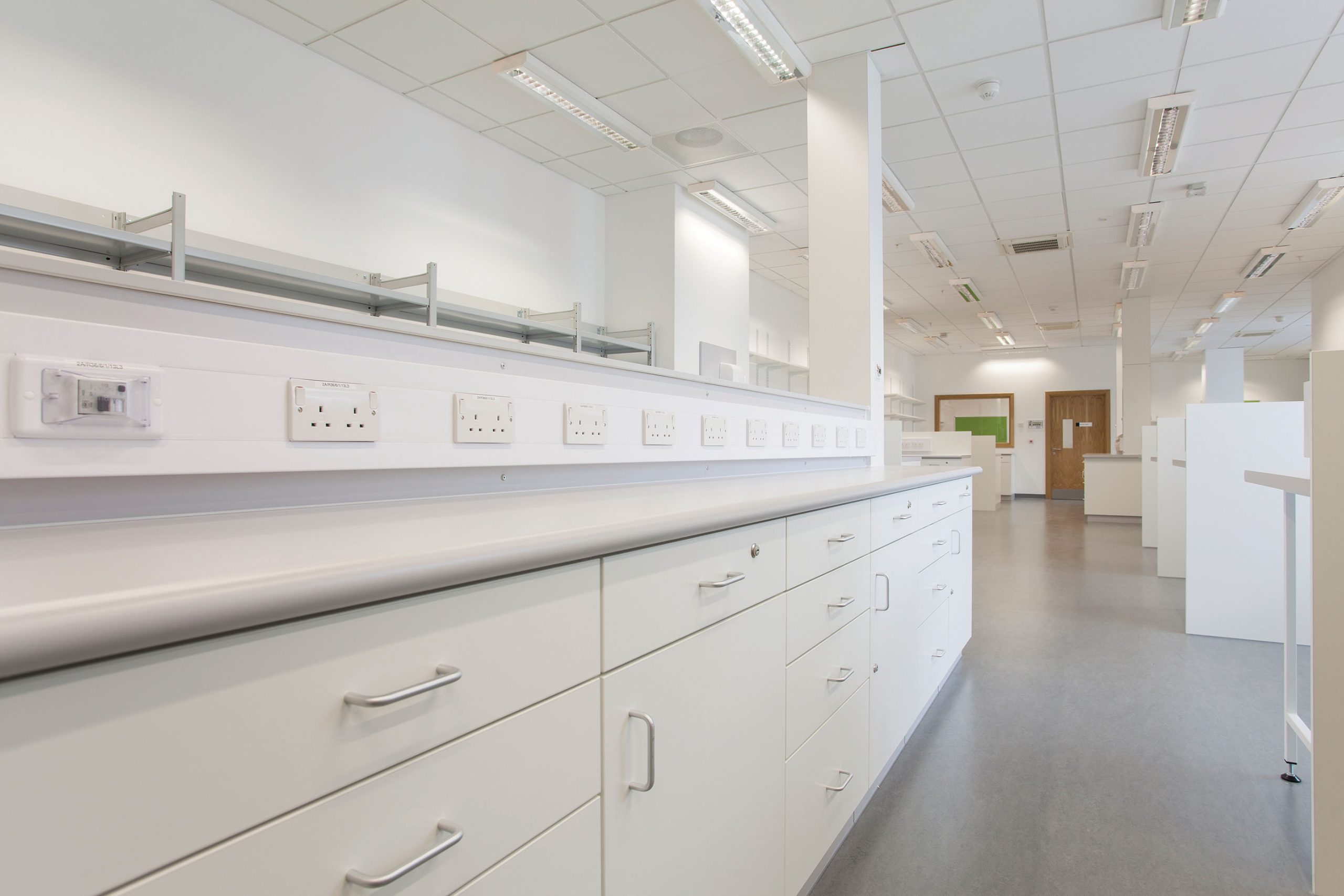
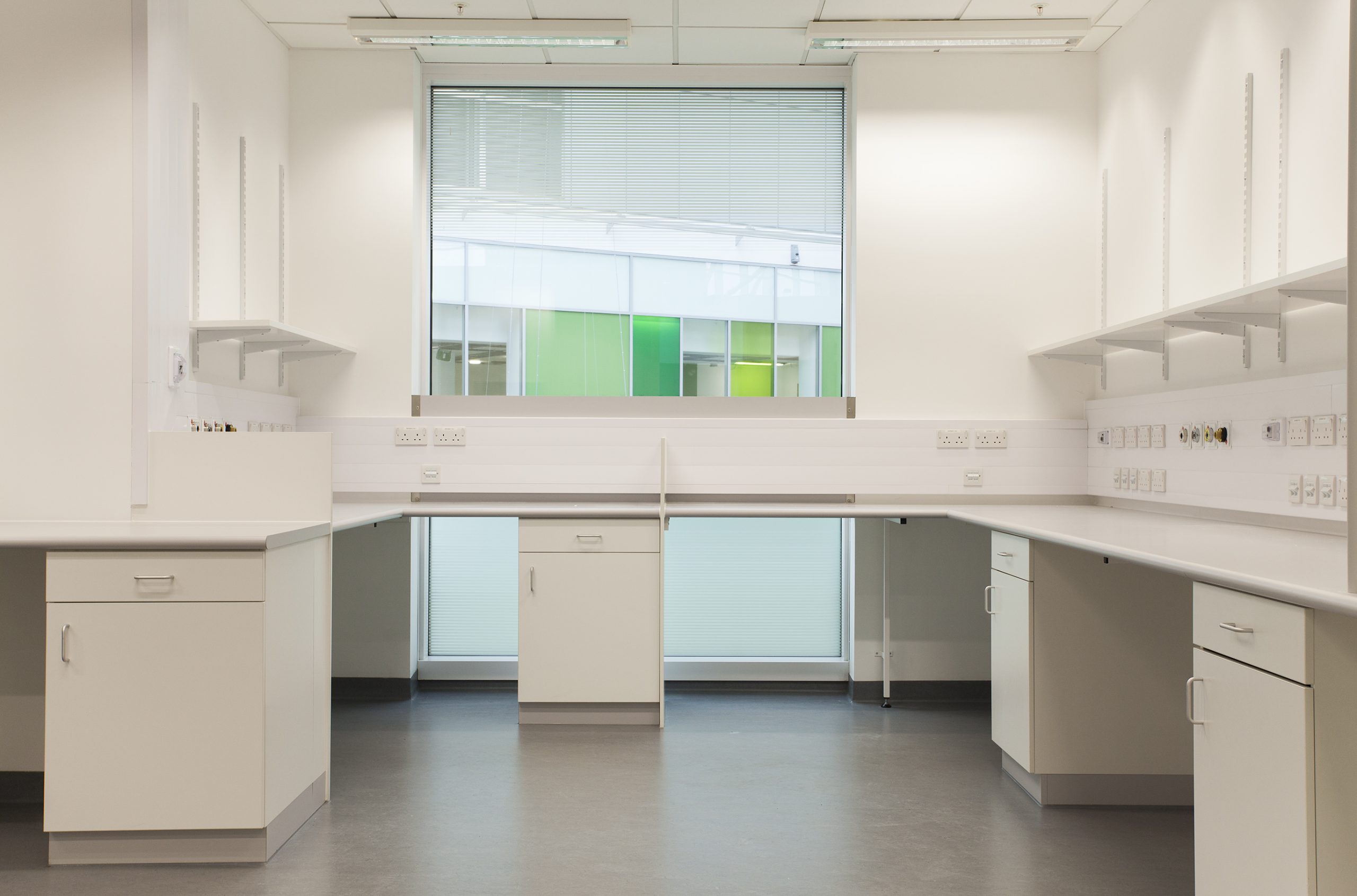
In the second, surfaces are clear. High-use items sit exactly where the hand expects them to be. Storage reflects workflow. Equipment is visible, but not intrusive. There is space to think. Which room supports better decisions? It sounds obvious when framed like that, but across healthcare estates, these small frictions are everywhere and they matter more than we like to admit.
In a busy clinic, seconds are currency. A clinician moving instinctively – reaching, preparing, disposing – maintains rhythm. Break that rhythm with awkward storage or badly positioned surfaces and something changes. The pace falters and the cognitive load increases. Now multiply that across dozens of appointments a day.
If gloves are in a drawer that sticks, if wipes are stored across the room, if the only clear space to prepare medication is half-covered in paperwork, the clinician adapts. They always do, but adaptation isn’t neutral. It introduces shortcuts, micro-delays, small frustrations and frustration is not a great partner to clinical judgement.
Clutter changes thinking
There’s a reason why high-performance environments, from aircraft cockpits to operating theatres, obsess over visual order. The human brain can only process so much at once. When worktops are crowded and storage makes no logical sense, the environment competes for attention. Clutter doesn’t just look messy. It consumes mental bandwidth.
In that state, people default to faster decisions. They tidy later. They “just do it this once.” They rely on habit rather than reflection. In a well-organised room, the opposite happens. Clear surfaces create clear thinking. Defined zones for preparation, disposal and storage, remove ambiguity. The clinician’s mind stays where it belongs – on the patient.
Think about how often clinicians bend, stretch, twist or step away mid-task. If sharps disposal requires turning your back on a patient, you are introducing a moment of divided attention. If medication preparation space is squeezed between the sink and a stack of files, you are increasing the chance of distraction. None of this shows up dramatically on incident reports, but these are the margins where lives can be at risk.
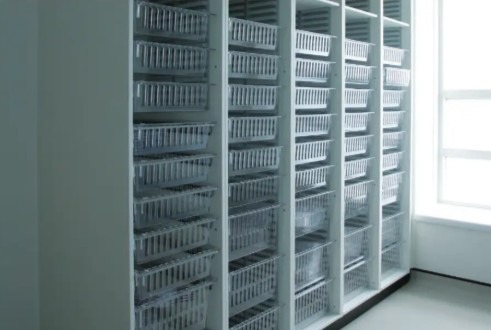
Well-designed fitted furniture anticipates movement. It understands frequency of use. High-use items sit within immediate reach. Surfaces are deep enough to work safely, but not so large that they become dumping grounds. Storage heights respect ergonomics, reducing fatigue that builds silently over months and years, because when the physical effort increases, so does the temptation to cut corners.
There’s something powerful about being able to see what you need. Visible, logically arranged equipment reduces hesitation. It reassures. It speeds up action in urgent moments. When clinicians trust that everything is where it should be, their confidence rises and confidence affects decision-making.
A chaotic environment subtly raises stress levels. A calm, ordered one lowers them. Research consistently shows that stress influences risk perception. In pressured environments, some clinicians become overly cautious. Others move too quickly to regain control. Neither extreme is ideal, but good design can steady that balance.
Consistency is underrated
In many healthcare settings, clinicians move between rooms daily. When each room has a different layout, different storage logic and different work surface arrangements, every move requires mental recalibration. Where are the gloves in this one? Which cupboard holds the dressings here? Is the sharps bin behind me or to my left? These are tiny questions, but they accumulate.
Standardised fitted layouts eliminate those questions. They create muscle memory. They allow staff to walk into any room and work immediately, safely and confidently. Consistency reduces hesitation. Hesitation reduces delay. Delay reduces pressure and pressure shapes decisions.
So, we can see that for too long, fitted furniture has been treated as background, a line item in a budget, something chosen for durability and compliance, then forgotten. But it is far more than that. It is workflow made physical. It is infection control made practical and it is cognitive support made tangible.
A seamless worktop makes cleaning easier and more thorough. Integrated storage discourages clutter. Logical zoning prevents cross-contamination. Good design quietly enforces good behaviour, while poor design quietly erodes it.
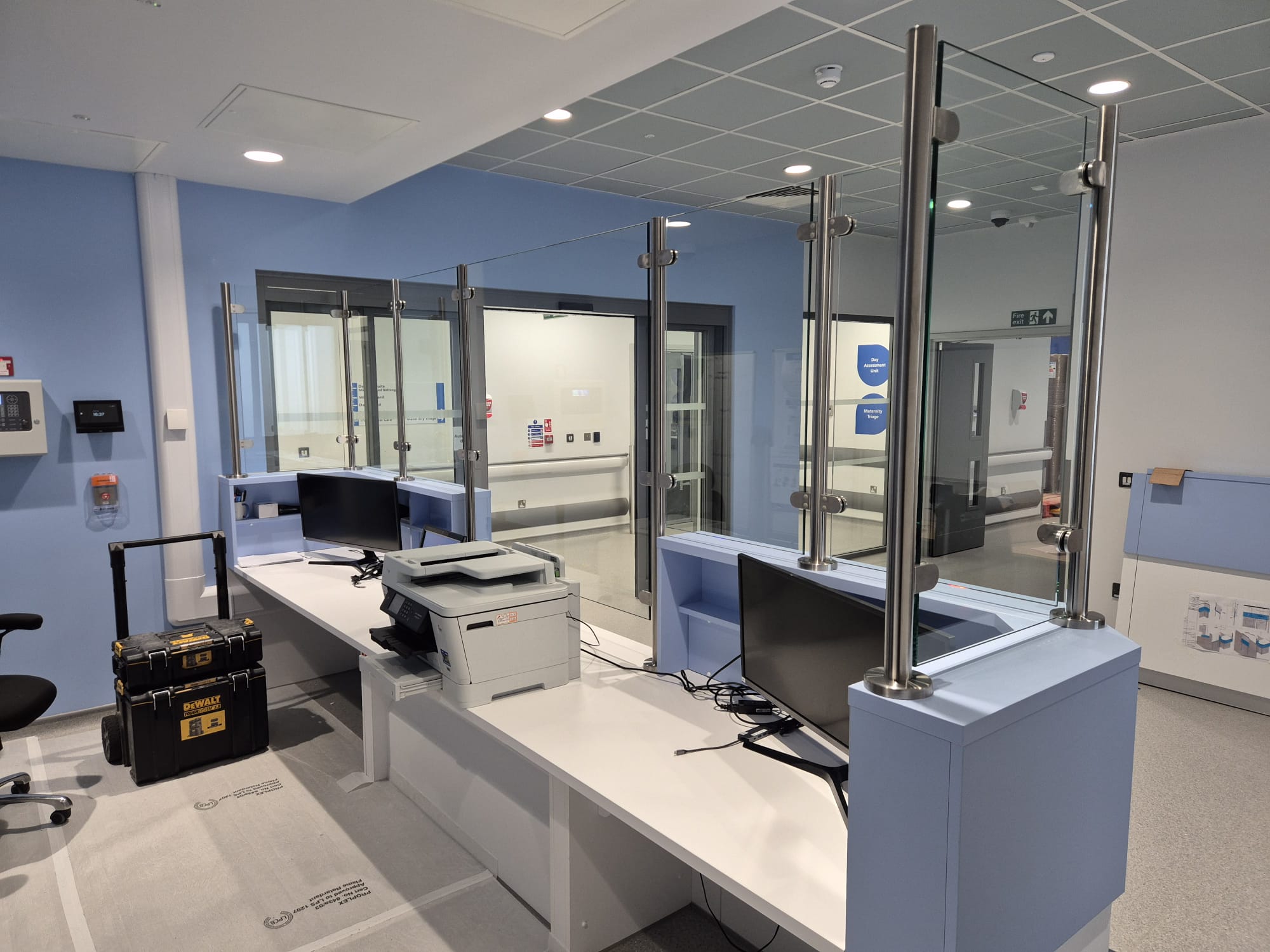
This is not about luxury finishes or aesthetic statements. It is about intention. Because when fitted furniture is designed around clinical pathways, when storage reflects frequency of use, when surfaces anticipate preparation steps, when sightlines preserve patient connection, the room becomes an ally. It supports speed without encouraging haste. It reduces stress without dulling vigilance and it creates space – literally and mentally – for better judgement.
In high-stakes environments, we obsess over training, digital systems and equipment innovation – all rightly so. But we rarely ask whether the physical room is helping or hindering the very people we expect to make life-critical decisions within it.
Perhaps we should, because clinical excellence is not shaped by knowledge alone. It is shaped by environment. By friction or flow. By clarity or clutter. The room is never neutral. The question is – whether it is working with clinicians – or quietly working against them.
Related Posts